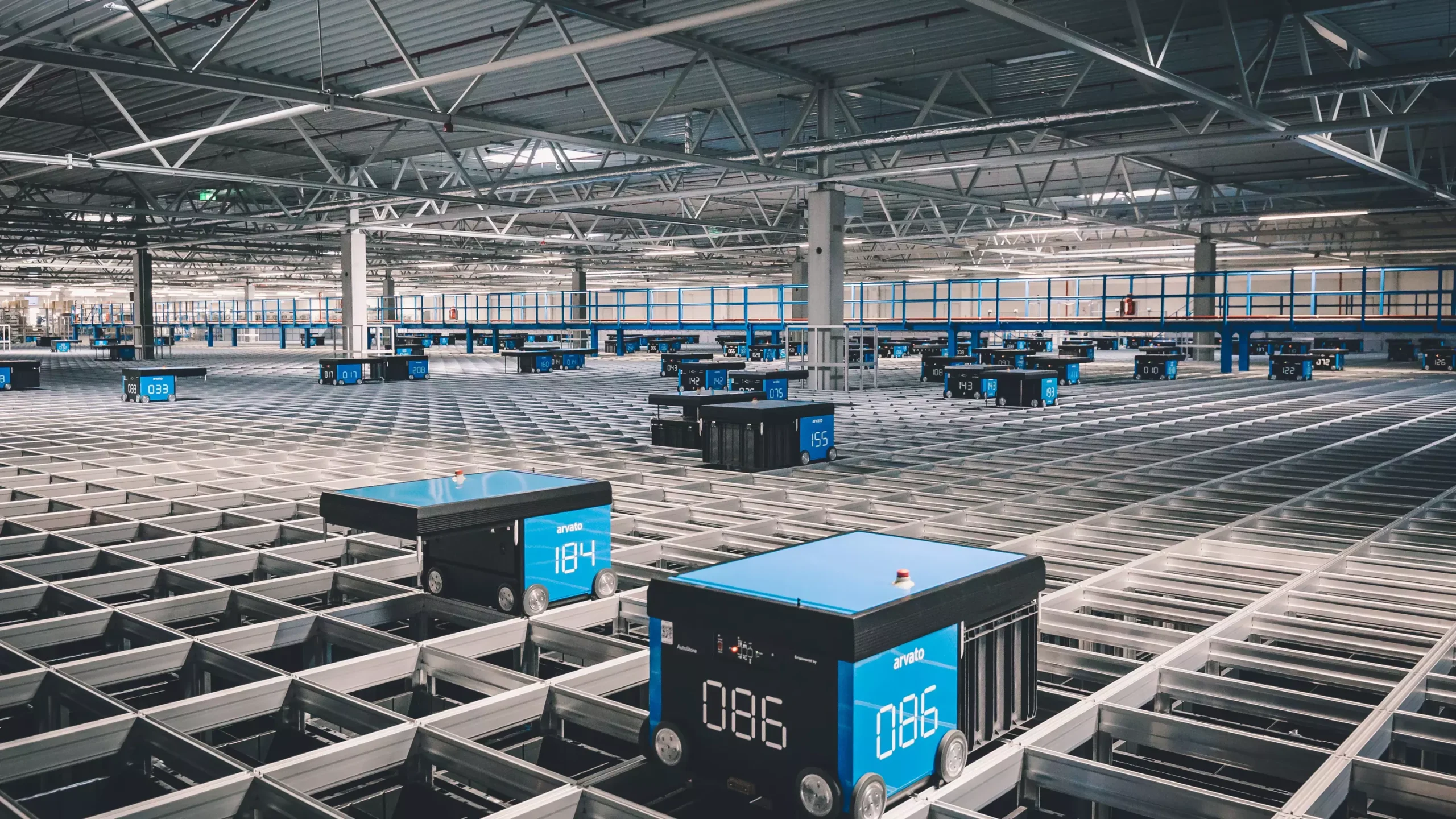
Walk into a modern distribution center today and you will see something that looks straight out of science fiction: squat orange robots gliding across the floor carrying entire shelving units, robotic arms picking individual items with uncanny precision, and conveyor systems rerouting packages in real time. Behind all of this machinery stands a professional who keeps it running — the warehouse automation technician. As e-commerce keeps growing and companies race to fulfill orders faster, this role has become one of the most practical and rewarding career paths in logistics.
What a Warehouse Automation Technician Actually Does
A warehouse automation technician installs, maintains, troubleshoots, and repairs the automated systems that modern warehouses depend on. On a typical day, you might calibrate sensors on an autonomous mobile robot (AMR), diagnose why a sortation conveyor is misfiring, update firmware on a fleet of picking robots, or work with engineers to integrate a new piece of equipment into the existing line.
The role sits at the intersection of three disciplines: mechanical systems (conveyors, actuators, robotic arms), electrical systems (wiring, PLCs, sensors, power distribution), and software (warehouse management systems, robot fleet management dashboards, diagnostic tools). You do not need to be a software engineer, but you do need to be comfortable reading error logs, navigating control interfaces, and understanding how the digital and physical layers connect.
Unlike traditional maintenance roles, automation technicians work with systems that are constantly changing. A facility might add new robot models, upgrade its warehouse execution software, or reconfigure an entire picking zone overnight. Adaptability is as important as technical skill.
The Technologies You Will Work With
To succeed in this field, it helps to know the major categories of warehouse automation:
- Autonomous mobile robots (AMRs): Self-navigating robots that transport goods-to-person stations or move pallets between zones. You will handle battery maintenance, navigation sensor calibration, and fleet software updates.
- Automated storage and retrieval systems (AS/RS): Tall racking systems with robotic shuttles that store and retrieve totes automatically. Technicians maintain the shuttles, rails, and control systems.
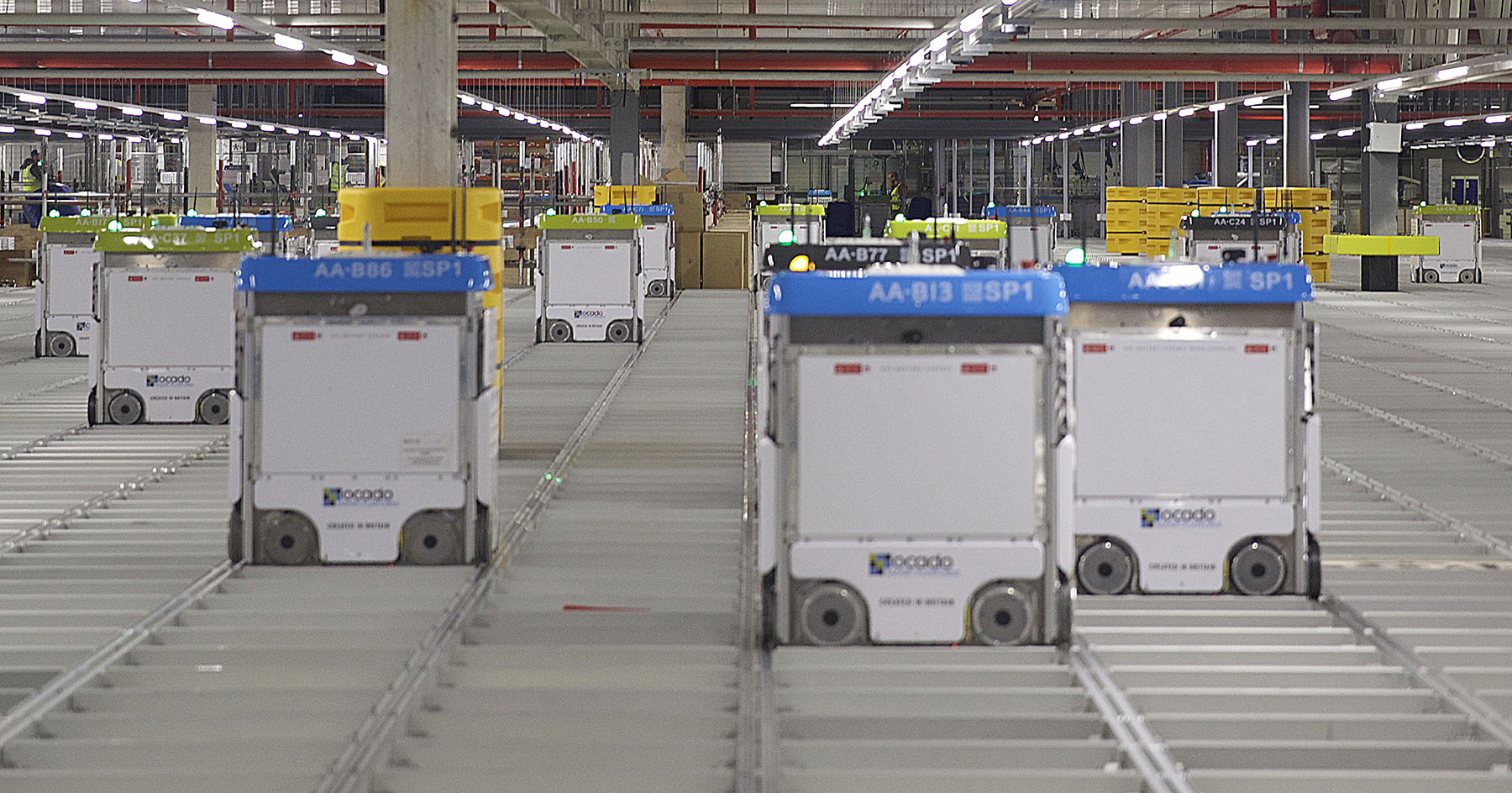
- Sortation and conveyor systems: High-speed conveyors with diverters, scanners, and merge points. Much of the work involves photo-eye sensors, motor controllers, and belt tracking.
- Robotic picking arms: Articulated arms with vision systems that pick individual items. These require knowledge of pneumatics, grippers, and machine vision basics.
- PLCs and controls: Programmable logic controllers are the brains of most fixed automation. Reading ladder logic and troubleshooting I/O faults is a core skill.
You do not need to master all of these on day one. Most technicians start with one system type and expand over time.
How to Become a Warehouse Automation Technician
There are several realistic entry paths into this career:
- Technical or vocational training: A certificate or associate degree in mechatronics, industrial maintenance, electromechanical technology, or robotics gives you the strongest foundation. Many community colleges now offer programs specifically built around automation.
- Military experience: Veterans with electronics, avionics, or maintenance backgrounds transition exceptionally well, and many large logistics employers actively recruit them.
- Upgrading from warehouse operations: If you already work in a warehouse as an operator or lead, volunteering for automation-adjacent tasks — and asking to shadow the maintenance team — is a proven route inward.
- Manufacturer certification programs: Companies that build warehouse robots and conveyors often run their own training academies. Getting certified on a specific platform can make you immediately employable.
Valuable credentials include PLC programming certificates, OSHA safety training, and robotics vendor certifications. A forklift or powered industrial truck license is often a plus since you will work around heavy equipment.
Skills That Separate Good Technicians From Great Ones
Beyond the technical toolkit, employers consistently look for a few human qualities. Systematic troubleshooting tops the list — the ability to isolate a fault methodically instead of swapping parts at random. Documentation habits matter too: logging what you fixed and how saves the next technician hours of guesswork.
Communication is underrated in this role. You will explain downtime causes to operations managers, coordinate with software vendors on the phone, and sometimes train operators on new equipment. Clear, calm communication during a line-down situation is worth its weight in gold.
Finally, safety discipline is non-negotiable. Automated equipment moves fast and carries heavy loads. Lockout/tagout procedures, awareness of robot operating envelopes, and respect for high-voltage panels are part of daily life.
Career Growth and Earning Potential
Warehouse automation technicians typically start in solidly middle-income territory, with pay rising as you gain platform-specific expertise. Senior technicians, controls specialists, and automation engineers earn significantly more, and the path upward is clear: technician to senior technician to controls engineer, reliability engineer, or automation project manager.
Demand is driven by simple economics. Every major retailer and third-party logistics provider is automating, and each new facility needs a team to keep its robots running. Unlike some tech roles, this work cannot be offshored — the robots are physical, and so is the job. That gives the career unusual stability.
Geographic flexibility is another advantage. Distribution hubs cluster around major metro areas and transportation corridors across the US, UK, Canada, Australia, and the Gulf states, so opportunities exist in most regions.
Key Takeaways
- Warehouse automation technicians maintain the robots, conveyors, and control systems that power modern logistics.
- The role blends mechanical, electrical, and software skills — mechatronics training is the ideal foundation.
- Entry paths include vocational programs, military experience, internal promotion from warehouse roles, and vendor certifications.
- Troubleshooting discipline, documentation, communication, and safety set top performers apart.
- Strong job security: automation keeps expanding, and the work must be done on-site.
Conclusion
If you enjoy solving physical puzzles, working with your hands, and learning how complex systems fit together, warehouse automation technology offers a career with momentum. Start by building a mechatronics foundation, get your hands on real equipment as early as you can, and learn one automation platform deeply — the rest of the industry will open up from there. The robots are not replacing warehouse workers; they are creating the technicians who keep them running. That could be you.
Keep Reading
Explore more guides on Jobars 2: