Two job titles that barely existed a generation ago — solar installer and wind turbine technician — are now among the fastest-growing occupations in the energy sector. As countries race to expand clean electricity, the people who build and maintain solar farms and wind turbines have become essential workers of the energy transition. Here is what these careers actually involve, how to enter them, and where the demand is heading.
Why Demand Is Surging
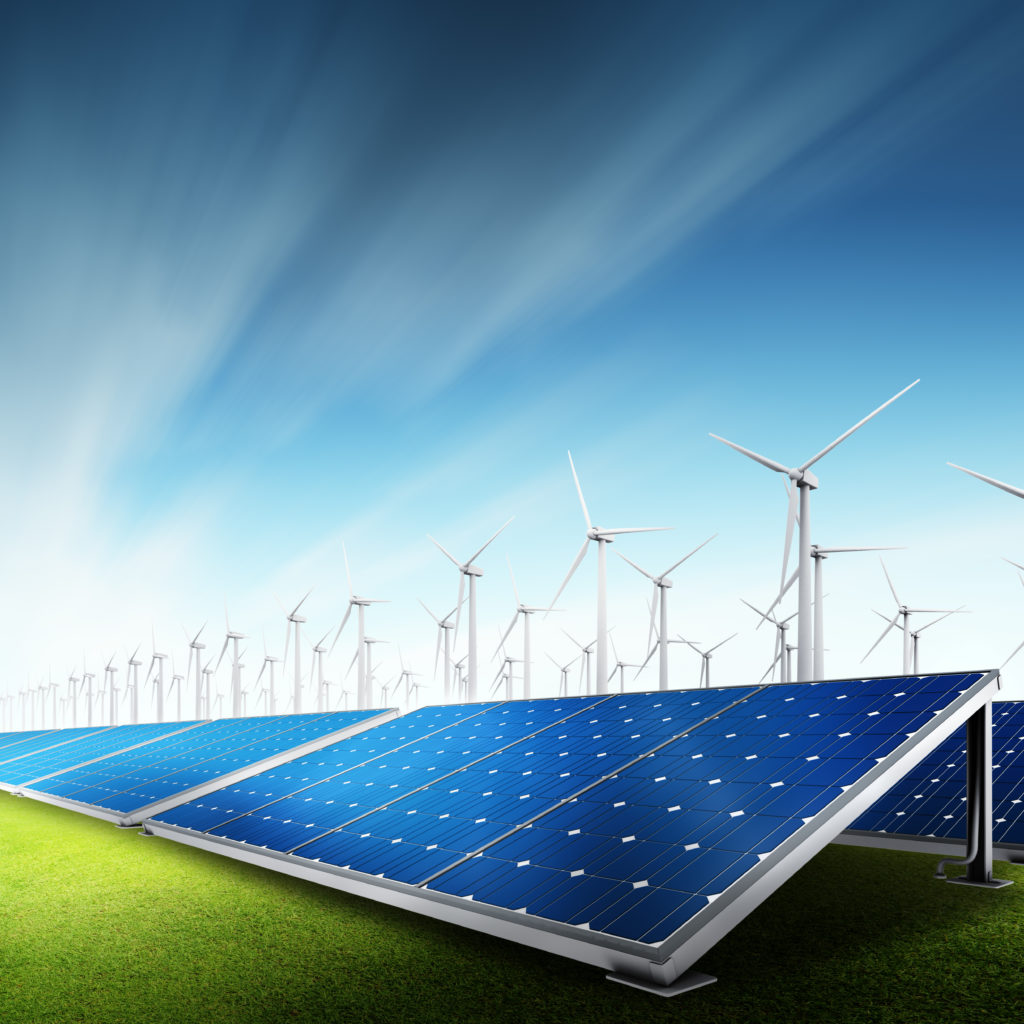
The growth story is straightforward: solar and wind are now among the cheapest sources of new electricity in many markets, so utilities and companies keep building more of it. Every new solar farm needs installers; every new wind farm needs technicians to keep turbines spinning for their 20-plus-year lifespans. Unlike manufacturing jobs that can move overseas, installation and maintenance happen where the projects are — creating local, hands-on employment across the country.
Policy support — tax incentives, renewable targets, grid modernization programs — adds further momentum. Even with political cycles, the underlying economics of cheap clean electricity keep project pipelines full.
Solar Installers: What the Work Involves
Solar installers (often called PV installers) assemble, install, and maintain rooftop and ground-mounted solar panel systems. A typical day might include:
- Reading site plans and assessing roof or ground conditions
- Mounting racking systems and securing panels
- Wiring panels to inverters and connecting systems to the grid
- Testing systems and troubleshooting underperformance
- Following strict electrical safety procedures at height
The work is physical and outdoors — rewarding for people who dislike desk jobs, demanding for those who prefer climate control. Most installers work for solar companies, electrical contractors, or utilities, and experienced installers often move into crew lead, project coordination, or sales roles.
Wind Turbine Technicians: What the Work Involves
Wind technicians maintain and repair turbines, often climbing towers over 250 feet tall to service gearboxes, blades, and electrical systems. It is specialized, safety-critical work that combines mechanical, electrical, and hydraulic skills.
Because turbines are concentrated in windy regions — plains, coastlines, ridgelines — technicians often live in or travel to rural areas. Employers range from turbine manufacturers to wind farm operators and independent service companies. The specialization barrier is higher than solar, which is one reason experienced wind technicians are so sought after.
How to Enter These Fields
Neither role typically requires a four-year degree. Common entry routes include:
- Technical or community college programs in renewable energy technology, electrical systems, or wind energy — many are designed with direct employer input and include hands-on labs.
- Electrical or mechanical background first. Electricians, mechanics, and military veterans with technical training often transition smoothly, since the core skills overlap heavily.
- Employer training programs. Large solar installers and wind operators run their own training pipelines; entry-level installer or assistant technician roles can be the on-ramp.
- Certifications that help: safety credentials (OSHA, working at heights, first aid) are widely expected; electrical licenses or NABCEP certification for solar can strengthen applications significantly.
Physical fitness, comfort with heights (especially wind), and willingness to travel or relocate to project regions are practical realities to consider honestly.
Pay and Career Progression
Entry-level pay is modest but grows steadily with experience and certifications. Experienced solar installers with electrical licenses, and wind technicians with specialized troubleshooting skills, earn comfortable incomes — and lead technicians, site supervisors, and project managers earn more still. Overtime is common during peak installation seasons.
Career paths branch in several directions: into supervision and project management, into specialized technical roles (high-voltage systems, blade repair), into sales and system design for those with people skills, or into starting your own installation business.
Where the Jobs Are Heading
Several trends favor long-term demand. Turbines keep getting bigger, which increases the value of experienced maintenance technicians. Battery storage is increasingly paired with solar and wind projects, creating hybrid skill demand. And as the first big waves of installed projects age, maintenance and repowering work — replacing old turbines and panels — provides steady employment independent of new construction cycles.
For internationally mobile workers, renewable skills transfer well: the same turbine models spin on multiple continents, and solar installation techniques are similar worldwide — though licensing and visa requirements vary by country.
Safety: The Non-Negotiable Foundation
Both solar and wind work carry real risks — electricity, heights, heavy equipment — and the industry’s safety culture reflects that. Expect rigorous safety training from day one: fall protection, lockout-tagout procedures, electrical safety, and emergency response. Reputable employers invest heavily in safety equipment and never pressure workers to cut corners; in fact, how seriously a company takes safety is one of the best indicators of how seriously it takes its people generally. If you are interviewing with installers or operators, ask about their safety record and training program — strong companies will answer proudly and in detail. The physical demands are real, but so is the professionalism of an industry that knows lives depend on doing things right.
Key Takeaways
- Solar installers and wind turbine technicians are among the fastest-growing energy occupations, driven by the economics of cheap clean electricity.
- Both are hands-on, physical careers that typically require technical training or certifications — not a four-year degree.
- Wind work is more specialized (and harder to enter) than solar; both reward safety credentials and electrical skills.
- Career paths lead toward supervision, specialized technical roles, system design, or independent business ownership.
- Aging installed projects guarantee long-term maintenance demand regardless of new-build cycles.
The energy transition is not an abstract trend — it is millions of panels and turbines that need human hands to install and maintain. For people who want physical, meaningful work with a clear training path and a long runway of demand, solar and wind careers are hard to beat.
Keep Reading
Explore more guides on Jobars 2: