For several years running, US labor analysts have named solar panel installer among the very fastest-growing occupations in the country — sometimes the single fastest, with projected growth rates several times the national average. Behind that statistic is a practical reality: the energy transition needs hundreds of thousands of people willing to climb roofs, handle tools, and wire up the future.
If you want a career with strong demand, no degree requirement, and work you can see from the street, solar installation deserves serious consideration. Here is the full picture.
What Solar Installers Actually Do
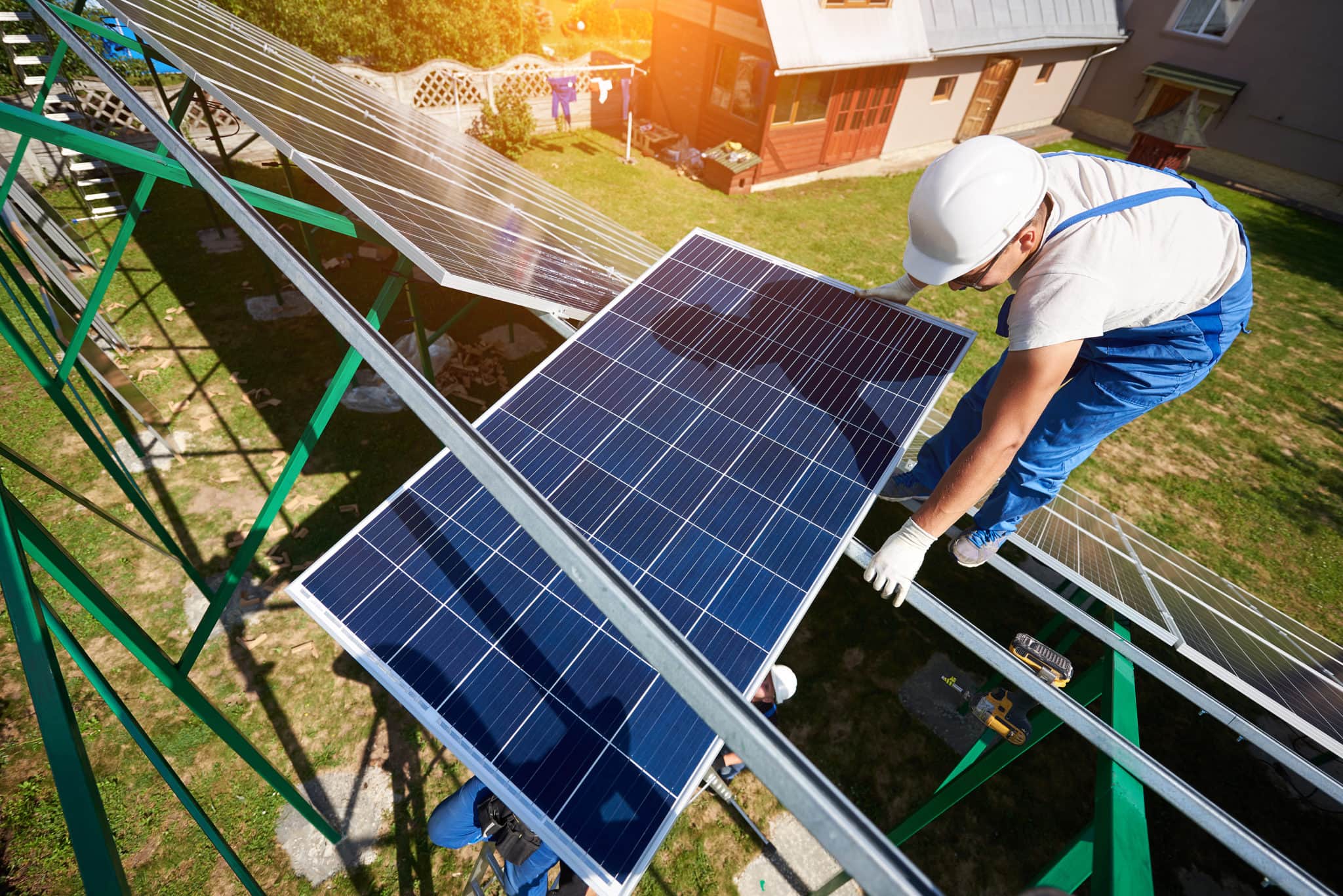
Solar photovoltaic (PV) installers — usually just called solar installers — assemble, install, and maintain rooftop and ground-mounted solar panel systems. A typical residential installation involves:
- Site assessment support — reviewing roof measurements and shading analysis prepared by the design team.
- Mounting — installing racking systems anchored safely to the roof structure.
- Panel placement — lifting, positioning, and securing panels (they are heavier than they look).
- Electrical work — wiring panels together, connecting inverters, and tying into the home’s electrical panel. Licensed electricians handle the final grid connections in most jurisdictions.
- Testing and commissioning — verifying the system produces power safely before handoff.
- Maintenance — troubleshooting underperforming systems and replacing components.
Crews are typically small — two to five people — and most installers start as helpers, learning on the job before taking on lead responsibilities.
Why Demand Is Exploding
- Falling costs. Solar is now among the cheapest sources of new electricity in many markets, which keeps project pipelines full.
- Policy support. Federal tax credits, state incentives, and net-metering rules continue to make rooftop solar financially attractive for homeowners and businesses.
- Corporate and utility scale. Beyond rooftops, massive solar farms are being built across the Sun Belt and Midwest — each employing large installation crews for months.
- Electrification. As homes add EVs and heat pumps, electricity demand rises — and so does the case for solar.
- Workforce attrition. Like all skilled trades, solar faces retirements, which keeps openings plentiful even in slower years.
How to Become a Solar Installer
This is one of the most accessible skilled careers in the energy sector:
- No degree required. A high school diploma or equivalent is the standard minimum. Mechanical aptitude and comfort with heights matter far more than credentials.
- Get hired as a helper. Most installers start here — carrying panels, learning tools, and absorbing safety practices. Many companies hire with zero experience and train you.
- Consider short-term training. Community colleges and trade schools offer solar installation certificates (often a few weeks to a few months) that make you a stronger applicant and can speed up advancement.
- Earn key certifications. The NABCEP PV Installation Professional credential is the industry’s gold standard and significantly boosts pay and employability. OSHA 10 or 30 safety training is frequently required.
- Learn the electrical side. Installers who understand wiring, inverters, and basic electrical theory advance fastest — some go on to become licensed electricians, which opens the highest-paying roles.
Pay and Working Conditions
Entry-level helpers typically start at wages competitive with other construction trades, and experienced lead installers and crew chiefs earn solid middle-class incomes, with the best-paid working on large commercial projects or in high-cost states. Overtime is common during peak seasons. Many employers also offer performance bonuses tied to completed installations, and prevailing-wage rules on public projects can push hourly rates noticeably higher. Because demand for crews is so strong, installers with a good reputation rarely struggle to find work, even when switching employers or relocating to a new state. Many installers also move into sales, system design, project management, or start their own installation companies — entrepreneurship is unusually accessible in this trade.
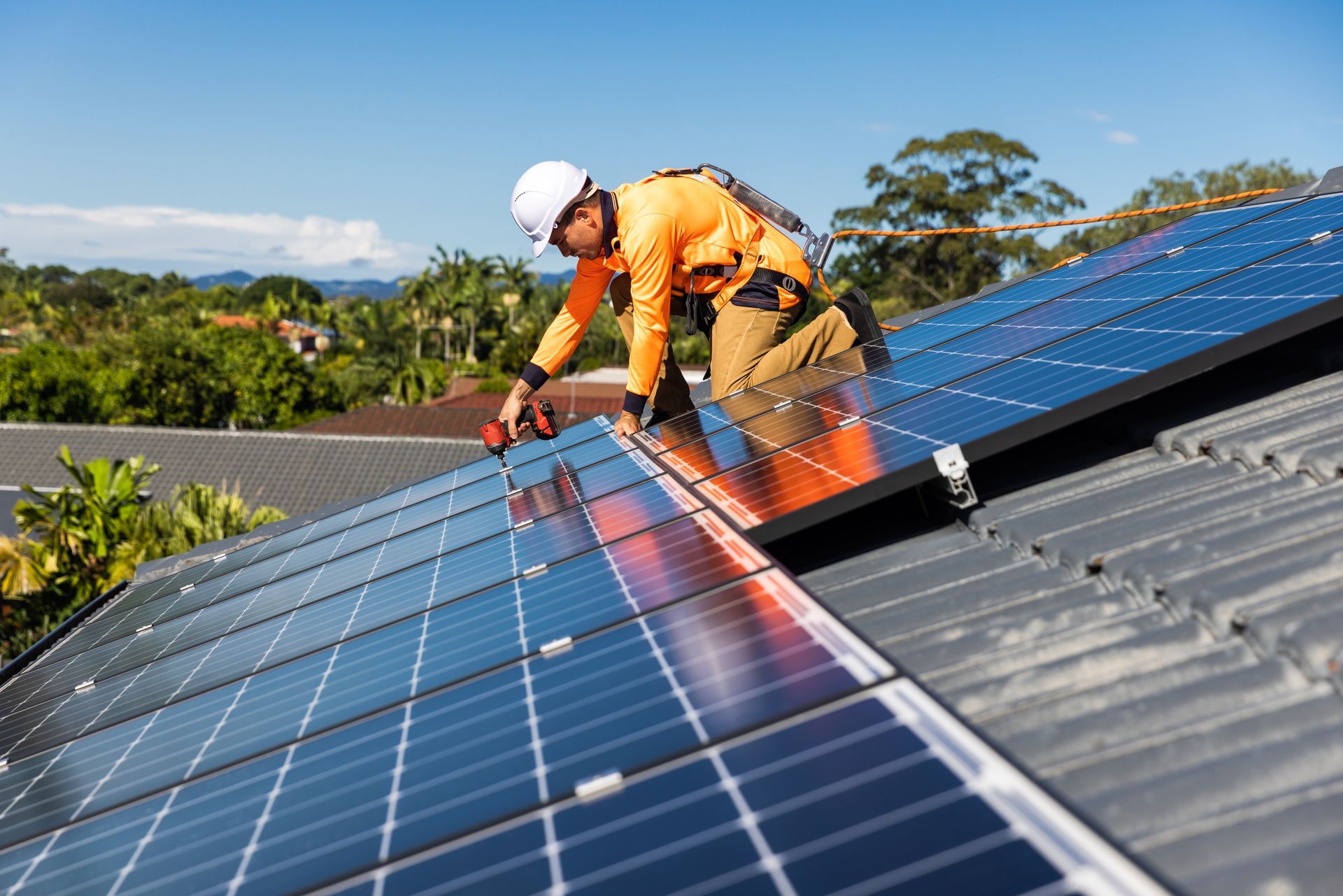
Be realistic about the work: it is physical and outdoors. You will be on roofs in summer heat and winter cold, carrying heavy panels, and working at heights with strict safety protocols. Fall protection training is mandatory and taken seriously by reputable employers. If you dislike desk work and do not mind weather, it is a feature, not a bug.
Career Paths Beyond the Roof
Installation is an entry point, not a ceiling:
- Crew lead / foreman — run job sites and teams.
- System designer — use software to design layouts and estimate production.
- Project manager — coordinate permits, utilities, and schedules across many installs.
- Sales consultant — often commission-based and very lucrative for strong communicators.
- O&M technician — maintain large solar farms; steadier schedules, growing fast.
- Electrician — the natural upskill, unlocking the highest wages in the sector.
Key Takeaways
- Solar installer is consistently ranked among America’s fastest-growing occupations, driven by falling costs, incentives, and electrification.
- No degree is needed — most start as helpers and learn on the job, with short certificate programs as an optional accelerator.
- NABCEP certification and electrical skills are the fastest routes to higher pay.
- The work is physical and outdoors; the career ladder leads to crew leadership, design, sales, or business ownership.
Conclusion
Careers do not get much more future-proof than helping build the energy system of the next fifty years — with your hands, outdoors, starting this month if you want. Solar installation offers what many job seekers say they want most: real demand, real skills, and a visible result at the end of every day. If that appeals to you, call a local installer and ask about helper openings; the industry’s growth means the door is wide open.
Keep Reading
Explore more guides on Jobars 2: