Before 2020, few people outside the industry thought much about supply chains. Then shelves went empty, car prices spiked for lack of $2 chips, and “supply chain issues” entered everyday conversation. The pandemic did not just disrupt logistics — it permanently elevated the profession that manages it. Companies that once treated supply chain as a back-office cost center now compete fiercely for the managers who keep goods flowing.
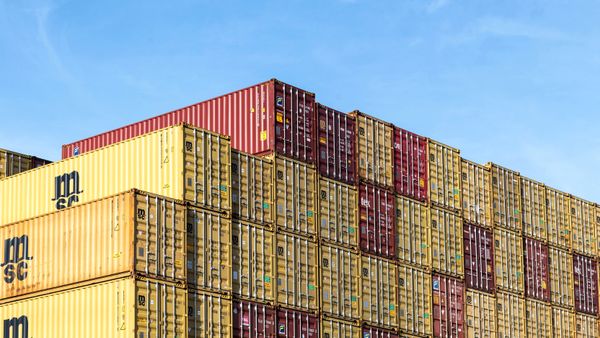
Here is why demand for supply chain and logistics managers stays strong, what the job entails, and how to build a career in it.
What Supply Chain and Logistics Managers Do
The terms overlap but are not identical. Logistics focuses on the movement and storage of goods — transportation, warehousing, and distribution. Supply chain management is the bigger picture: planning, sourcing, manufacturing coordination, and delivery, end to end.
Managers in this space typically own:
- Planning and forecasting — predicting demand and positioning inventory so products are available without tying up excessive cash.
- Procurement and supplier management — selecting vendors, negotiating contracts, and managing supplier risk.
- Transportation — choosing modes and carriers, optimizing routes, and managing freight costs (often a company’s largest variable expense).
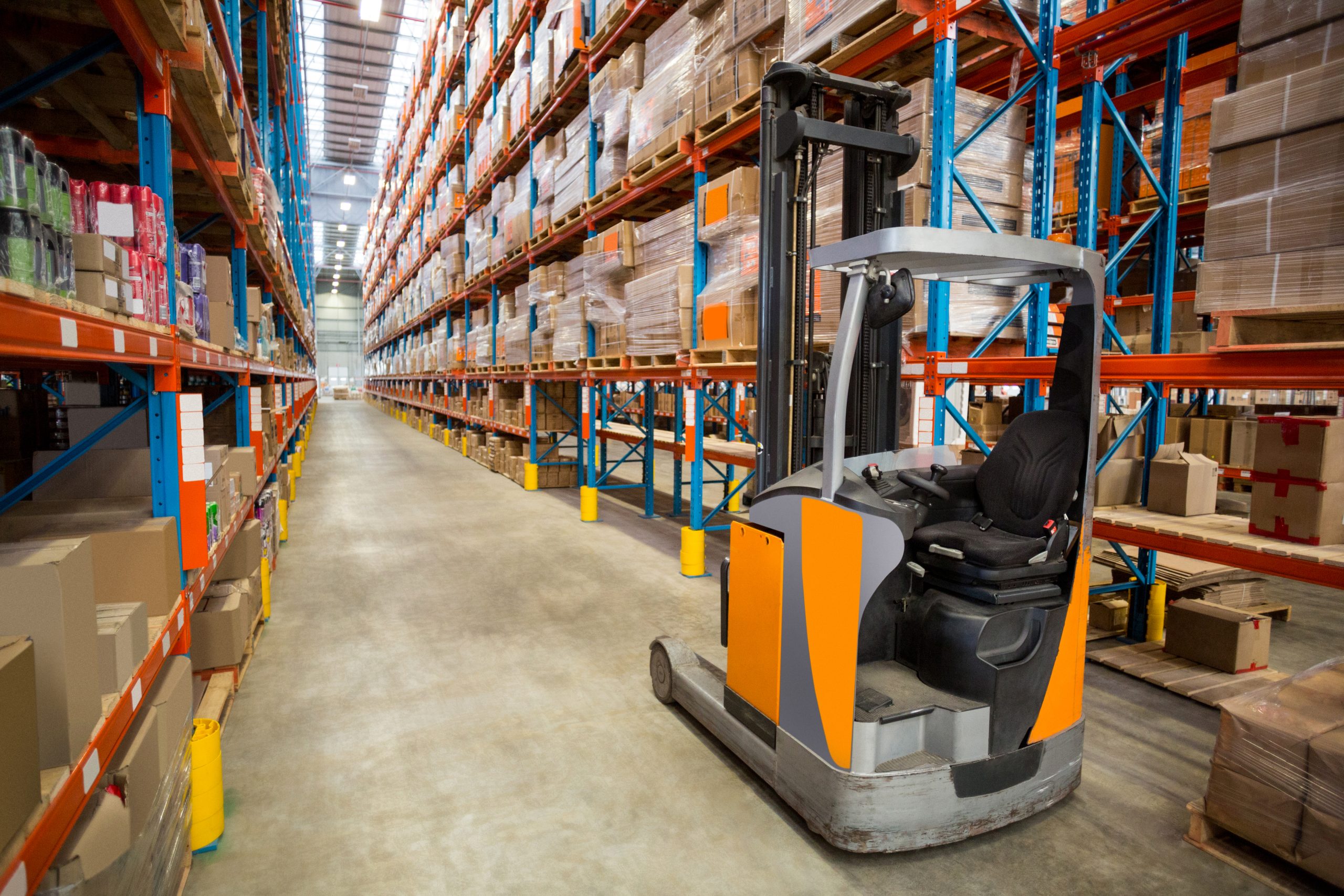
- Warehousing and distribution — overseeing fulfillment centers, inventory accuracy, and order fulfillment speed.
- Risk and resilience — the post-pandemic addition: mapping supply chain vulnerabilities and building backup plans.
Why Demand Remains Strong After the Pandemic
The acute crisis passed, but the structural changes stayed:
- Resilience is now a strategy. “Just in time” gave way to “just in case” — companies carry more inventory, dual-source critical components, and nearshore production. All of that needs managers.
- E-commerce keeps growing. Every online order is a logistics event. Fulfillment networks keep expanding, and someone must run them.
- Regulation and sustainability. Carbon reporting, ethical sourcing rules, and customs complexity have made supply chain roles more analytical and more senior.
- Technology transformation. AI forecasting, digital twins, and warehouse automation are reshaping the field — creating demand for managers who understand both operations and data.
- Retirements. A generation of logistics professionals is retiring, opening leadership roles faster than graduates fill them.
Career Paths and Entry Points
Supply chain is unusually welcoming to newcomers because it hires from many directions:
- Operations-first path: start as a warehouse supervisor, logistics coordinator, or transportation planner, and grow into management. This is the most common route and values hustle over credentials.
- Analyst path: start in demand planning, inventory analysis, or procurement analytics — ideal for strong Excel/data skills graduates.
- Degree path: supply chain management degrees are increasingly common and feed directly into rotational leadership programs at large companies.
- Military veterans: logistics is one of the most natural transitions from service, and employers actively recruit veterans.
Typical progression: coordinator/analyst → senior planner or supervisor → logistics/supply chain manager → senior manager/director → VP of supply chain or COO. The very top of this ladder is C-suite adjacent — supply chain leaders now regularly become chief operating officers.
Education and Certifications That Help
- Degrees: supply chain management, operations, business, or industrial engineering. An MBA helps at the director level and above.
- APICS/ASCM certifications — CPIM (planning and inventory) and CSCP (end-to-end supply chain) are the industry’s most recognized credentials.
- Six Sigma / Lean — continuous improvement methodology is the language of operations leadership.
- Data skills — SQL, advanced Excel, and familiarity with ERP systems (SAP, Oracle) and planning tools are increasingly expected, even in traditional roles.
Pay Outlook
Supply chain management pays solidly and scales well with responsibility. Coordinators and analysts start at respectable professional salaries; experienced managers at mid-size companies earn comfortable six-figure-range compensation in many markets, and senior leaders at large enterprises — directors and VPs running complex global networks — are among the best-paid operations executives. Sectors with the strongest pay include pharmaceuticals, technology hardware, and automotive, where supply chain complexity is highest. Bonus structures tied to cost savings and service levels are common and can be substantial.
Skills That Separate Good from Great
Technical credentials get you interviews, but these capabilities determine how far and how fast you rise once hired. Hiring managers consistently say they promote the people who combine operational grit with strategic thinking — the ones who can both fix today’s delayed shipment and redesign next quarter’s network.
- Analytical rigor — the best managers live in data: forecast accuracy, fill rates, freight cost per unit.
- Negotiation — carrier and supplier contracts directly hit the bottom line.
- Calm in disruption — port strikes, weather events, and supplier failures are routine; great managers have contingency plans ready.
- Cross-functional influence — supply chain touches sales, finance, and engineering; you need to align people who do not report to you.
- Tech curiosity — the managers thriving today are the ones who embraced AI forecasting and automation rather than resisting them.
Key Takeaways
- The pandemic permanently elevated supply chain from cost center to strategic function — demand for managers remains structurally strong.
- The field spans planning, procurement, transportation, warehousing, and risk — with multiple entry paths including operations, analytics, and veterans.
- APICS/ASCM certifications, Lean/Six Sigma, and data skills accelerate advancement.
- Top roles lead toward COO-track operations leadership with excellent compensation.
Conclusion
Every product you buy traveled through a supply chain someone designed and managed. The pandemic taught the world — and corporate boards — how much that matters. For people who like puzzles with real stakes, data with physical consequences, and careers where competence is quickly visible, supply chain and logistics management offers a durable, well-paid path with room to grow all the way to the executive suite.
Keep Reading
Explore more guides on Jobars 2: