Walk into a modern car plant, warehouse, or electronics factory and you will see them everywhere: articulated arms welding with inhuman precision, autonomous carts gliding between shelves, and vision systems inspecting products faster than any human eye. Behind every one of those machines is a robotics engineer — and manufacturers cannot hire them fast enough.
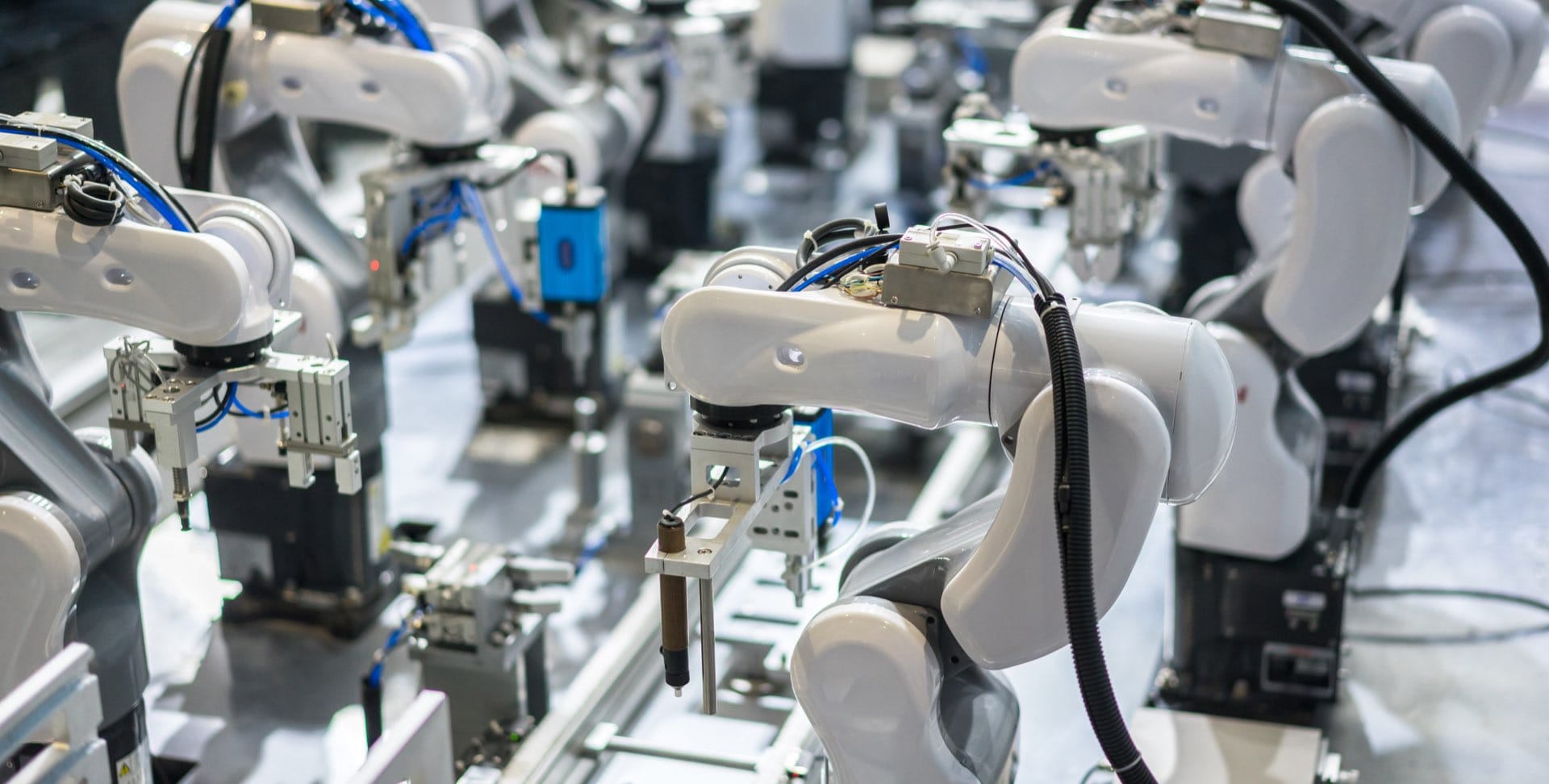
As labor shortages persist and automation technology gets cheaper and more capable, robotics engineering has moved from a niche specialty to one of the most sought-after skill sets in industry. Here is what the career really looks like.
What Robotics Engineers Do
Robotics engineers design, build, program, and maintain robotic systems. In manufacturing, that breaks down into several overlapping specialties:
- Robot programmers/integrators — configure industrial robots (from brands like FANUC, KUKA, ABB, and Yaskawa) for specific tasks: welding, painting, palletizing, machine tending.
- Controls engineers — design the PLCs, sensors, and control logic that coordinate robots with the rest of the production line.
- Vision and perception engineers — build camera-based systems for inspection, guidance, and quality control.
- Mobile robotics engineers — work on AMRs (autonomous mobile robots) and AGVs that move materials through warehouses and factories.
- Applications and sales engineers — help customers choose and deploy the right automation, a great path for people who like variety and travel.
Day to day, expect a mix of CAD design, programming (often in Python, C++, or vendor-specific languages), on-site commissioning where you debug a live production line, and collaboration with mechanical and electrical teams.
Why Demand Keeps Growing
Several forces are pulling in the same direction:
- Labor shortages in manufacturing. Factories struggle to fill repetitive, physically demanding roles — robots fill the gap.
- Reshoring. As production returns to high-wage countries, automation is what makes domestic manufacturing cost-competitive.
- Cheaper, easier robots. Collaborative robots (“cobots”) that work safely alongside humans have opened automation to small and mid-sized companies, massively expanding the customer base.
- E-commerce warehouses. The logistics automation boom — sorting, picking, packing — is one of the largest sources of robotics work.
- Aging equipment. A huge installed base of older robots needs retrofitting, maintenance, and replacement.
Unlike some tech fields that swing with venture funding, industrial robotics demand is tied to physical production — steadier and less hype-driven.
Education and Skills That Matter
Most robotics engineers hold degrees in mechanical engineering, electrical engineering, mechatronics, or computer science, with mechatronics being the most directly aligned. A bachelor’s degree opens doors; a master’s helps for R&D and perception roles.
What employers actually test for in interviews:
- Programming: Python and C++ are the workhorses; ROS (Robot Operating System) knowledge is a major plus.
- Controls fundamentals: PID control, kinematics, and sensor integration.
- PLC programming: ladder logic and structured text for Allen-Bradley or Siemens platforms — this is the language of factory floors.
- Hands-on aptitude: personal projects — a 3D-printed robot arm, a ROS-based rover, automation of anything — count enormously.
- Vendor certifications: FANUC, for example, offers widely recognized robot programming certifications that can shortcut your entry.
If you are a student, join a robotics club or competition team. Employers consistently say practical build experience outweighs GPA.
Career Paths and Pay
Typical progression runs from applications or field engineer, to senior/robotics specialist, to controls lead or engineering manager. Alternative branches include technical sales (very lucrative for strong communicators), startups building new robot products, and the large automation integrators that deploy systems across industries.
Compensation is strong across the board: entry-level robotics roles in manufacturing typically pay solid engineering salaries, experienced integrators and controls engineers earn well above average, and specialists in vision systems or mobile autonomy command premiums. Field roles often add overtime, per diem, and travel bonuses — commissioning engineers who live on the road can significantly out-earn their desk-bound peers.
Where the Jobs Are
Robotics engineering clusters around manufacturing: the US Midwest and Southeast (automotive), logistics hubs, and growing automation scenes in Texas and the Southwest. Germany and Japan remain global leaders, and China’s domestic robotics industry is enormous. Importantly, system integrators — the companies that install robots in other companies’ factories — hire in nearly every industrial region and are often the best entry point for newcomers.
Challenges Worth Knowing
The work is not all gleaming robots. Commissioning often means long days on a noisy factory floor, travel can be heavy in field roles, and debugging a production line at 2 a.m. with downtime costing thousands per minute is stressful. You will also need to stay current: robot controllers, safety standards, and software platforms evolve constantly, so the learning never really stops. Employers value engineers who treat every installation as a chance to deepen their expertise rather than just another job ticket. Safety certification knowledge (risk assessments, standards like ISO 10218) is mandatory and non-negotiable. But for people who like tangible results — watching a machine you programmed build real products — few careers are as satisfying.
Key Takeaways
- Robotics engineers design, program, and maintain the automation running modern factories and warehouses.
- Demand is driven by labor shortages, reshoring, cheaper cobots, and e-commerce logistics — structural trends, not hype.
- Degrees in mechatronics, mechanical, electrical, or computer engineering plus hands-on projects and ROS/PLC skills open doors.
- System integrators are the best entry point; field roles pay premiums through overtime and travel.
Conclusion
Every physical product you own was shaped by automation, and the engineers behind that automation are in the middle of a long demand supercycle. Robotics engineering rewards people who like building real things, solving problems under pressure, and seeing their work move — literally. If that describes you, start building: a small robot arm on your desk today can become a career running factory automation tomorrow.
Keep Reading
Explore more guides on Jobars 2: