American resumes follow conventions that surprise many international job seekers: no photo, no date of birth, no marital status — and a ruthless focus on achievements rather than duties. Recruiters in the US typically spend under ten seconds on a first scan, so your resume must communicate value instantly.
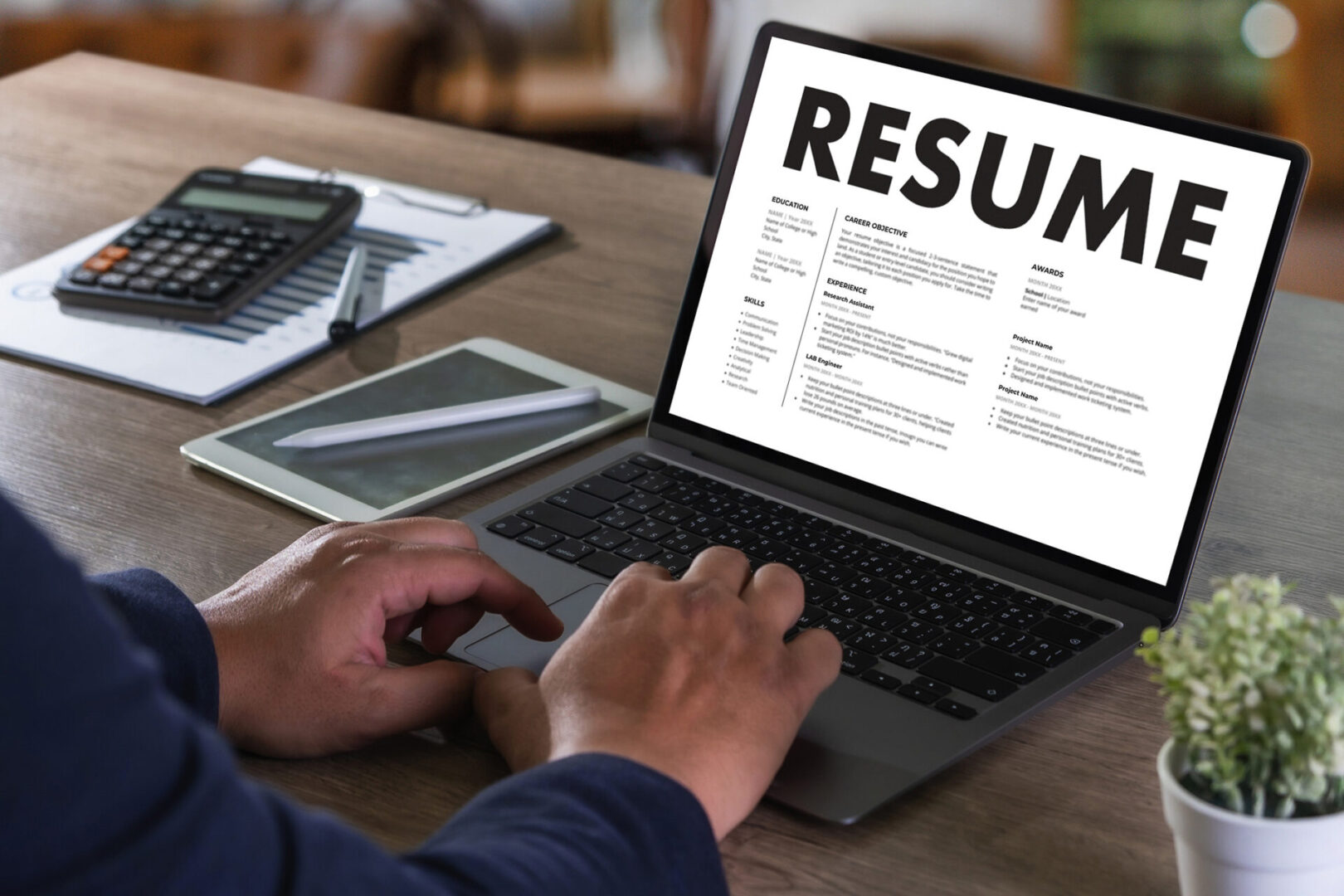
This guide breaks down exactly how to write a US-style resume in 2026: the format hiring managers expect, the mistakes that get resumes rejected, and how to tailor yours for each application.
The Non-Negotiable Rules of US Resumes
- Length: One page if you have under 10 years of experience; two pages maximum for senior professionals. Never more.
- No personal details: Omit your photo, age, date of birth, marital status, religion, and national ID numbers. US anti-discrimination norms make these irrelevant — and including them looks out of touch.
- Reverse chronological order: Most recent role first, for both work experience and education.
- Clean, scannable design: Standard fonts (Calibri, Arial, Garamond), 10–12pt body text, clear section headings, and plenty of white space. Fancy templates with graphics often break applicant tracking systems.
- Honesty: Background checks are routine in the US. Never inflate titles, dates, or degrees.
The Anatomy of a Winning Resume
1. Header and Contact Info
Your name (largest text on the page), phone number, professional email address, city and state (full street address is no longer expected), and your LinkedIn URL. If relevant, add a portfolio or GitHub link. That is all — nothing else belongs at the top.
2. Professional Summary (3–4 Lines)
Skip the outdated “Objective” statement. Instead, write a summary that answers: who are you professionally, how many years of experience, your 2–3 core strengths, and what value you bring. Example: “Customer support specialist with 4 years of experience in SaaS, known for 98% satisfaction ratings and cutting average handle time by 25%. Seeking to bring data-driven support leadership to a growing tech team.”
3. Work Experience — Achievements, Not Duties
This is where most resumes fail. Do not list what you were “responsible for” — describe what you accomplished. The formula:
Strong action verb + specific task + measurable result.
- Weak: “Responsible for managing social media accounts.”
- Strong: “Grew company Instagram from 8K to 45K followers in 14 months, driving a 30% increase in referral traffic.”
- Weak: “Worked on customer complaints.”
- Strong: “Resolved 40+ customer escalations weekly while maintaining a 97% satisfaction score.”
Use 3–5 bullet points per role, leading with your most impressive achievements. Numbers — percentages, dollar amounts, time saved, team sizes — are the fastest way to make bullets credible.
4. Skills Section
List hard skills relevant to the target role: tools, technologies, languages, certifications. Mirror terminology from the job posting — applicant tracking systems (ATS) filter resumes by keyword match before a human ever sees them. Keep soft skills (“hard worker,” “team player”) out of this section; demonstrate them through achievements instead.
5. Education
Degree, major, university, and graduation year. Recent graduates should put education above experience and can include relevant coursework, GPA (only if 3.5+), and academic projects. Experienced professionals keep this brief and below work experience.
Beating the ATS: Getting Past the Robot
Most mid-size and large US employers use applicant tracking systems to filter applications. To survive the filter:
- Use standard section headings: “Work Experience,” “Education,” “Skills.” Creative headings (“My Journey”) confuse parsers.
- Submit as PDF unless the posting asks otherwise — but avoid text boxes, tables, headers/footers, and images, which many systems cannot read.
- Copy 5–8 key terms from the job description naturally into your bullets and skills (e.g., if the posting says “Salesforce CRM,” write “Salesforce CRM,” not just “CRM”).
- Spell out acronyms at least once: “Search Engine Optimization (SEO).”
Tailoring: The Step Most People Skip
One generic resume sent to fifty jobs loses to five tailored resumes every time. For each application, spend 15 minutes:
- Read the posting and highlight the top 5 requirements.
- Reorder your bullets so the most relevant achievements come first.
- Adjust your professional summary’s last line to name the target role and company.
- Swap in the posting’s exact keywords where truthful.
Keep a “master resume” with everything, then create a trimmed, targeted version per application.
Common Resume Mistakes to Avoid
- Typos and grammar errors: A single typo can end your candidacy. Proofread, then have someone else proofread.
- Unexplained gaps: Briefly address career breaks (a one-line note like “Career break for family caregiving, 2023–2024” is far better than silence).
- Buzzword soup: “Results-driven synergistic thought leader” says nothing. Replace adjectives with evidence.
- References on the page: “References available upon request” wastes a line — employers assume this.
- Salary history: Never include it; many states now prohibit employers from asking anyway.
Resume Differences for International Applicants
If you are applying from abroad or recently moved to the US, add a line noting your work authorization status (e.g., “Authorized to work in the US” or “H-1B visa holder; sponsorship transfer available”) — it preempts the employer’s biggest question. Convert any foreign grading scales or job titles into US equivalents, and consider a brief “US Equivalency” note for degrees evaluated by services like WES.
Key Takeaways
- One page, no photo, no personal details, achievements over duties — these are the foundations.
- Every bullet should follow “action verb + task + measurable result.”
- Design for the ATS first (standard headings, keywords, simple formatting), then for human skimming.
- Tailor each application in 15 minutes; a targeted resume beats a generic one every time.
A great US resume is not a biography — it is a marketing document with one job: getting you the interview. Write it for a recruiter skimming in seconds and a computer filtering for keywords, lead every bullet with proof of impact, and tailor relentlessly. Do that, and your resume stops being a formality and starts being your strongest advocate.
Keep Reading
Explore more guides on Jobars 2:
1 thought on “How to Write a Winning US-Style Resume (2026 Guide)”