Every solar farm, every electric vehicle, every data center, and every offshore wind turbine has one thing in common: none of them work without electrical engineers. As the world races to electrify transport, heating, and industry while cleaning up power generation, electrical engineering has moved from a steady, traditional profession to one of the most strategically important careers on the planet.
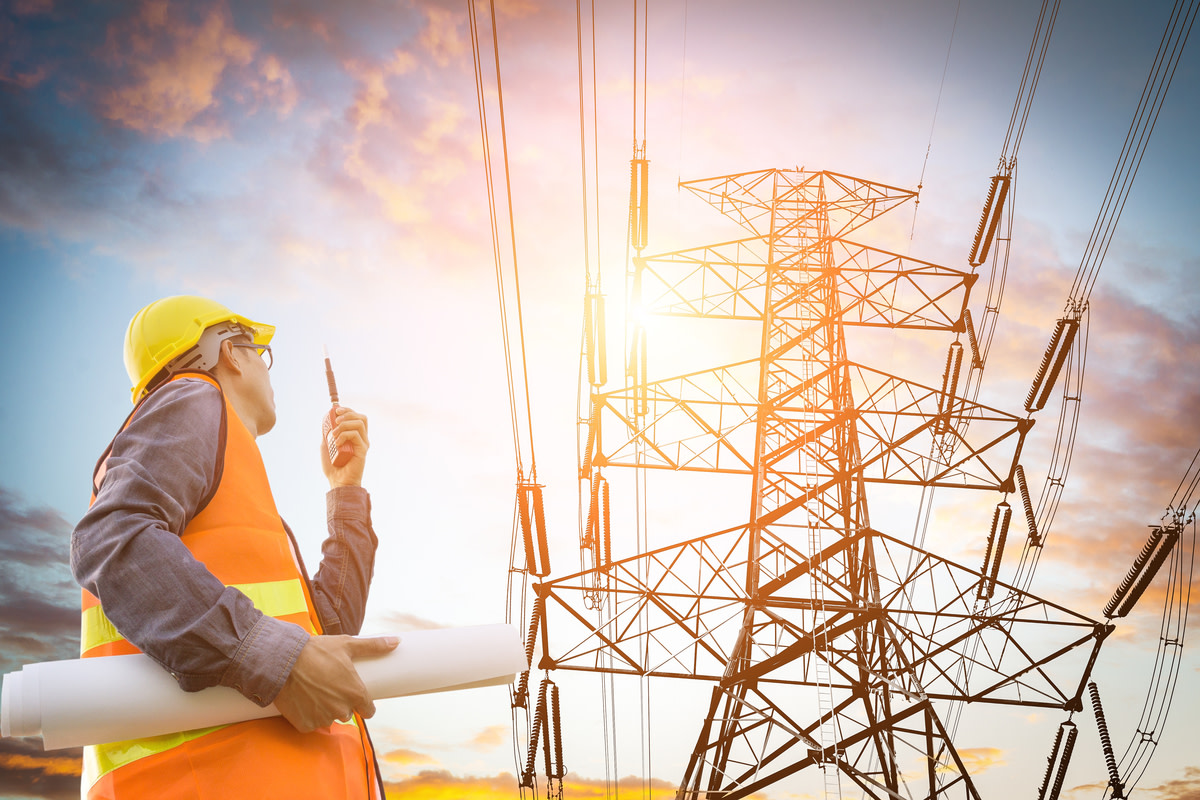
If you are considering this field — or already in it and wondering where the growth is — this guide walks you through what electrical engineers actually do today, where the energy transition is creating jobs, and how to position yourself for the strongest opportunities.
What Electrical Engineers Do in 2026
The field is broader than the name suggests. Modern electrical engineers work across:
- Power systems: Designing and operating the grids, substations, and transmission networks that move electricity from generators to homes and factories.
- Renewables integration: Connecting solar, wind, and battery storage to grids that were designed for one-way power flow — a genuinely hard engineering problem.
- Electronics and embedded systems: From consumer devices to industrial controllers, designing circuits and the firmware that runs on them.
- Electric machines and drives: Motors, generators, and the power electronics that control them — the heart of EVs and industrial automation.
- Control systems: The automation logic that keeps everything from chemical plants to smart buildings running safely.
Most engineers specialize in one or two of these areas while keeping working knowledge of the rest.
Where the Energy Transition Is Creating Jobs
The shift to clean energy is not a single trend — it is a cluster of them, each generating distinct demand:
- Grid modernization: Aging transmission infrastructure in the US and Europe needs massive upgrades, plus new high-voltage lines to carry renewable power from where it is generated to where it is used. Utilities and engineering consultancies are hiring steadily.
- Solar and wind: Utility-scale projects need engineers for system design, interconnection studies, and commissioning. Distributed rooftop solar creates demand at smaller firms too.
- Battery storage: Grid-scale batteries are now standard companions to renewables, and each installation needs power engineers for integration and safety.
- EVs and charging infrastructure: Automakers, battery manufacturers, and charging-network operators all employ electrical engineers — for vehicle powertrains, battery management systems, and fast-charging stations.
- Data centers: The AI boom is driving enormous data center construction, and each facility is essentially a giant electrical engineering project: power distribution, backup systems, and cooling.
- Semiconductors and power electronics: Chip fabs and power-electronics manufacturers need engineers as production expands in the US, Europe, and Asia.
Skills Employers Are Looking For
Beyond the degree, hiring managers consistently value:
- Power systems analysis: Load flow, short-circuit, and protection studies — often using tools like ETAP, PSS/E, or DIgSILENT.
- Power electronics: Converters, inverters, and motor drives are central to renewables and EVs.
- Programming: Python and MATLAB for analysis and automation; C/C++ if you touch embedded systems.
- Standards knowledge: IEC, IEEE, and NEC standards govern real installations. Knowing them is a practical differentiator.
- Project delivery: The ability to take a design through procurement, construction, and commissioning — not just the calculation stage.
Education and Career Entry Points
The standard route is a bachelor’s degree in electrical engineering, often followed by a master’s for specialization in power systems or renewables. In many countries, working toward chartered or professional engineer status (PE license in the US, CEng in the UK) significantly improves long-term prospects, especially for roles involving public infrastructure where stamped drawings are required.
Entry points include graduate programs at utilities, engineering consultancies (which expose you to many project types quickly), equipment manufacturers, and the growing ranks of renewable developers. Internships during study are the single best predictor of a smooth first hire — the industry still hires heavily through relationships and proven site experience.
Salary Outlook
Electrical engineering pays solidly across markets. In the US, experienced engineers typically earn well into six figures, with power systems and renewables specialists often at the higher end due to sustained demand. European salaries vary widely by country but are competitive, particularly in Germany, the Nordics, and the UK. Specialists in grid-scale storage, HVDC transmission, or power electronics for EVs can often command premiums. As always, treat published figures as directional — sector, location, and experience dominate the outcome.
Emerging Specializations Worth Watching
Beyond the established hotspots, several niches are quietly becoming lucrative. High-voltage direct current (HVDC) transmission — essential for moving renewable power over long distances — has a small global talent pool, and specialists are highly sought after. Smart grid and demand-response engineering blends power systems with software, as utilities pay consumers to shift usage away from peaks. Electrification of heavy industry (steel, cement, chemicals) is creating demand for engineers who understand both industrial processes and power systems. Getting into one of these early, while the talent pool is thin, is a classic way to accelerate both pay and seniority.
Another angle: interconnection and grid compliance. Every new solar farm or battery must prove it will not destabilize the grid, and the studies behind that proof require specialized engineers. It is unglamorous work that almost nobody chooses — which is exactly why it pays well and offers steady employment.
Key Takeaways
- Electrification of transport, heat, and industry plus clean power generation is driving sustained demand for electrical engineers.
- Hotspots include grid modernization, renewables integration, battery storage, EV infrastructure, and data centers.
- Power systems analysis, power electronics, and standards knowledge are the most bankable skills.
- Professional licensure meaningfully improves prospects for infrastructure work.
- Consultancies and utilities offer the broadest early-career exposure.
Conclusion
Electrical engineering is one of those rare careers that is both deeply established and newly urgent. The physics has not changed, but the mission has: rebuilding the world’s energy systems within a generation. Whether you are drawn to massive transmission projects, cutting-edge power electronics, or the puzzle of keeping a renewable-powered grid stable, the work is real, the demand is durable, and the impact is tangible. Get the fundamentals right, specialize deliberately, and this field will reward you for decades.
Keep Reading
Explore more guides on Jobars 2: