Air traffic controllers hold one of the most critical — and best-compensated — positions in public service. Every day, they guide thousands of aircraft safely through crowded skies, making split-second decisions where precision is non-negotiable. The combination of high responsibility, rigorous selection, and excellent pay makes this one of the most attractive government careers available. Here is an honest look at what the job involves, what it pays, how to qualify, and whether it is the right path for you.
What Air Traffic Controllers Actually Do
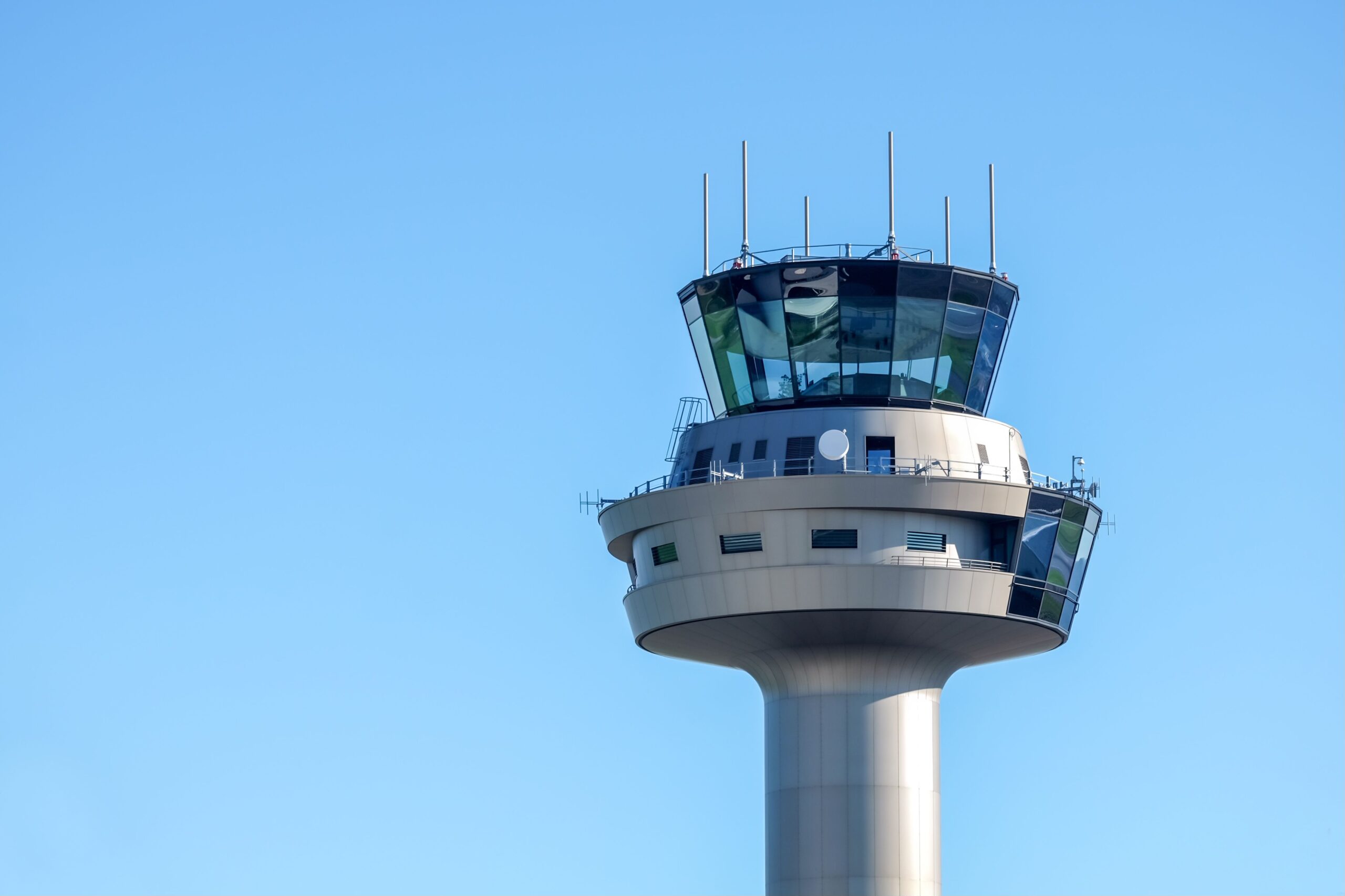
Controllers manage the safe and orderly flow of air traffic. Depending on their specialty, they work in airport control towers (directing takeoffs, landings, and ground movement), terminal radar facilities (managing aircraft approaching and departing busy airspace), or en-route centers (guiding high-altitude traffic across vast regions). The work involves constant radio communication with pilots, monitoring radar displays, sequencing aircraft for landing, and responding instantly to weather changes or emergencies. It is mentally intense: controllers describe it as hours of routine punctuated by moments requiring absolute focus.
Why the Pay Is So High
Air traffic control consistently ranks among the highest-paying government occupations, and the reasons are straightforward:
- Enormous responsibility: A single controller may be responsible for hundreds of lives at any moment. Compensation reflects that weight.
- Selective pipeline: Strict medical, aptitude, and training requirements limit the supply of qualified controllers.
- Union-negotiated scales: Pay rises with facility complexity and traffic volume — controllers at the busiest hubs earn the most.
- Overtime and differentials: Night shifts, weekends, and overtime add meaningfully to base salaries.
Senior controllers at major facilities can earn well into six figures, placing the profession among the top tier of public-sector pay without requiring an advanced degree.
How to Become an Air Traffic Controller
The pathway is structured and competitive. While specifics vary by country, the general route in the United States looks like this:
- Meet basic eligibility: Typically you must be under a maximum entry age (31 in the US for FAA hiring), hold citizenship, and pass a thorough background check.
- Education or experience: A combination of post-secondary education and work experience is generally required; aviation-related degrees from approved programs can streamline entry.
- Pass the aptitude assessment: Candidates take a standardized test measuring spatial reasoning, memory, and decision-making under pressure. This is the first major filter.
- Clear medical and security screening: Controllers must meet strict vision, hearing, and health standards, plus obtain security clearance.
- Complete academy training: Selected candidates attend an intensive training academy lasting several months, with high washout rates.
- On-the-job certification: Graduates train at their assigned facility under supervision until fully certified — a process that can take one to three years.
The UK, Canada, and Australia run parallel systems through their own air navigation providers, with similarly demanding selection.
The Realities: Stress, Shifts, and Lifestyle
Honesty matters here: this career is not for everyone. Controllers work rotating shifts including nights, weekends, and holidays. The mental workload is genuinely stressful — studies consistently rank it among the most high-pressure occupations. Mandatory retirement ages exist in many countries, and burnout is a real risk. On the other hand, controllers also report deep job satisfaction, strong camaraderie, excellent benefits, and the unique pride of a job few people can do. Go in with eyes open: the rewards are exceptional precisely because the demands are.
Skills That Predict Success
- Composure under pressure: Staying calm and decisive when traffic spikes or emergencies arise.
- Spatial awareness: Mentally tracking multiple aircraft in three dimensions simultaneously.
- Clear communication: Issuing crisp, unambiguous radio instructions — often to pilots whose first language is not English.
- Decisiveness: There is no “let me think about it” in a busy sector; decisions must be fast and correct.
- Teamwork: Controllers hand off aircraft constantly; trust and coordination with colleagues are essential.
Career Progression and Alternatives
Certified controllers can advance to supervisory roles, training positions, or management within air navigation organizations. Experienced controllers are also valued in aviation safety, regulatory agencies, and airline operations. Some transition into related high-responsibility fields. The skills — rapid decision-making, systems thinking, and grace under pressure — transfer well beyond the tower.
A Day in the Life
A tower controller’s shift begins with a thorough briefing: weather, runway configurations, expected traffic, and any equipment outages. Once plugged in, the rhythm is relentless — scanning radar and out-the-window views, issuing clearances, sequencing arrivals, and coordinating handoffs with neighboring sectors. Breaks are mandatory and frequent, because sustained concentration at this level is exhausting; most facilities rotate controllers off position every hour or two. After shift, the mental decompression is real — many controllers describe needing genuine downtime before they feel normal again. It is demanding, but few jobs offer the same daily sense of consequential, skilled work.
Key Takeaways
- Air traffic control is among the highest-paying government careers, with senior controllers at busy facilities earning top-tier salaries.
- Entry requires passing aptitude, medical, and security screening, then surviving intensive academy and on-the-job training.
- The job is genuinely stressful with shift work — the exceptional pay exists because the demands are exceptional.
- Strong spatial reasoning, composure, and clear communication are the core predictors of success.
- Career paths extend into supervision, training, aviation safety, and regulation.
If you thrive under pressure, think in three dimensions, and want a career where your skill directly keeps people safe — while earning one of the best salaries in public service — air traffic control deserves serious consideration. Start by checking your country’s air navigation provider for current hiring windows and eligibility requirements.
Keep Reading
Explore more guides on Jobars 2: