In an era of one-click applications, the cover letter is often the only place where you get to speak directly to a hiring manager in your own voice. A strong cover letter for a US job does not repeat your resume. It connects the dots: why this role, why this company, and why you are the right person. Done well, it can rescue an application that might otherwise blend into the pile.
This guide breaks down exactly how to structure a cover letter that gets read, with practical examples you can adapt.
What Hiring Managers Actually Want From a Cover Letter
Keep the reader in mind. A hiring manager may skim dozens of applications in a sitting, so your letter needs to answer three questions fast: Can this person do the job? Do they understand what we need? Are they genuinely interested in us, or mass-applying? Every paragraph should serve one of those questions. Anything that does not can be cut.
The Structure That Works
Header and Greeting
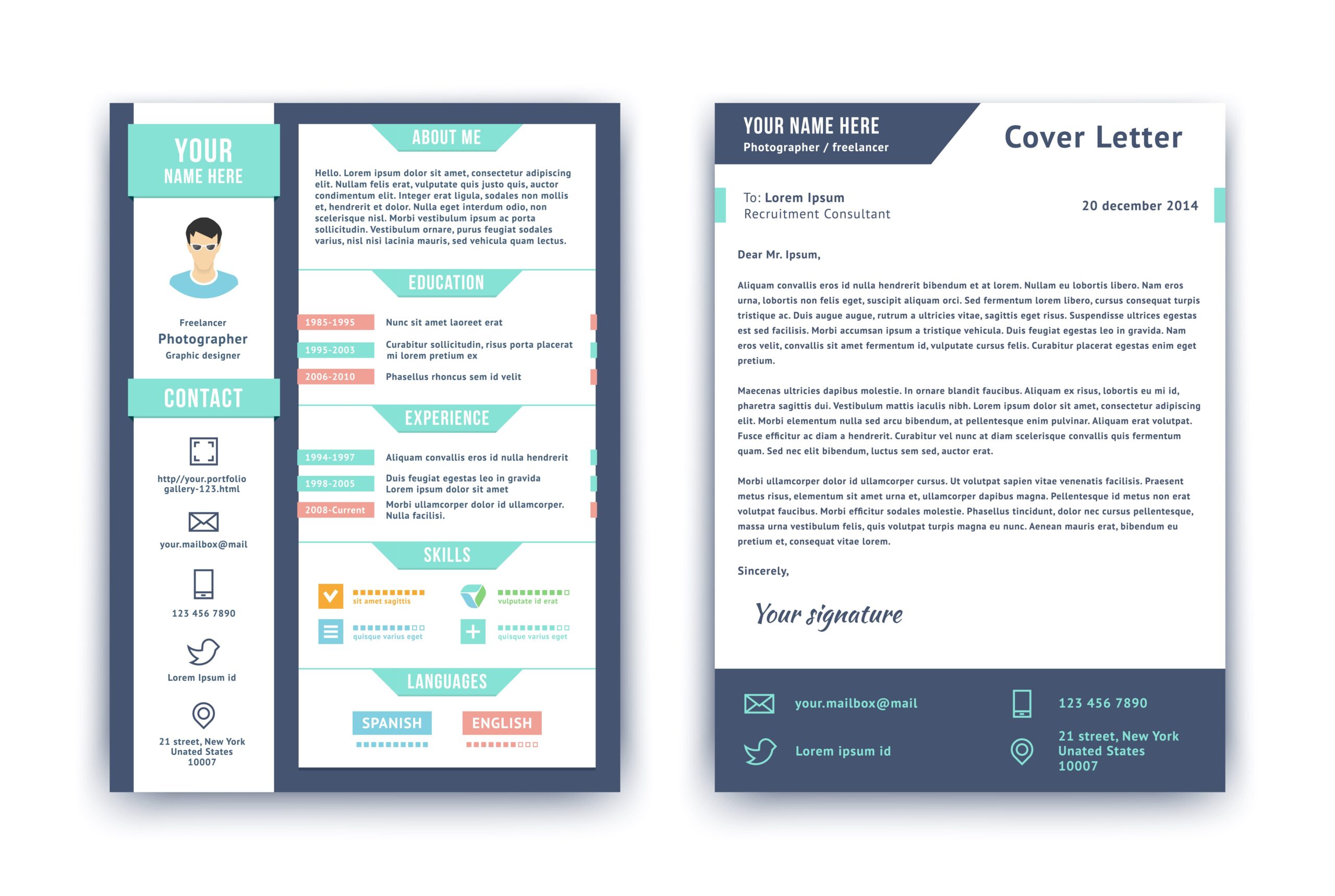
Start with your contact information, the date, and the employer’s details, just like a formal business letter. Address the letter to a specific person whenever possible; “Dear Ms. Rivera” beats “Dear Hiring Manager.” If you cannot find a name after a genuine search, “Dear Hiring Team” is an acceptable fallback.
Opening Paragraph: Hook Them Immediately
State the role you are applying for and give the reader a reason to keep reading in two or three sentences. Lead with your strongest relevant credential or a specific connection to the company. For example: “As a customer success specialist who retained 98% of enterprise accounts over three years, I was excited to see your opening for a Senior Success Manager. Your team’s focus on long-term client partnerships matches exactly how I like to work.”
Body Paragraphs: Prove You Can Do the Job
Use one or two paragraphs to connect your experience to the role’s requirements. Pick two or three requirements from the job posting and show how you meet each with a concrete example. Numbers help: revenue influenced, customers served, projects delivered, time saved. Then add a paragraph about why this company specifically interests you. Mention a product, initiative, or value that genuinely appeals to you. This is what separates a tailored letter from a template.
Closing Paragraph: End With Confidence
Reaffirm your enthusiasm, summarize your fit in one sentence, and state the next step clearly: “I would welcome the chance to discuss how I can contribute to your team. Thank you for your time and consideration.” Sign off with “Sincerely” or “Best regards” followed by your name.
Length and Formatting Rules
- Keep it to one page: Three to four short paragraphs is the sweet spot.
- Use a clean, professional font in 10 to 12 point size with standard margins.
- Match your resume’s styling so the two documents look like a set.
- Save and send as PDF unless the posting asks for another format, so your formatting survives.
Common Mistakes That Get Letters Ignored
- Repeating the resume: If your letter just lists your jobs again, it adds nothing. Interpret and connect instead.
- Generic flattery: “Your esteemed company is a leader in the industry” could apply to anyone. Be specific.
- Focusing on what you want: Employers care about what you offer them, not how the job helps your career.
- Typos and wrong names: Nothing kills credibility faster. Proofread carefully, and double-check the company name and the hiring manager’s name every time.
- Apologizing for shortcomings: Never draw attention to what you lack. Frame everything around your strengths.
Adapting the Letter for Different Situations
Career changers should use the letter to explain the pivot: highlight transferable skills and genuine motivation for the new field. Recent graduates can draw on internships, coursework projects, and volunteer work as evidence. Referrals deserve a mention in the opening line, since a mutual connection immediately earns attention. And when a posting explicitly says cover letters are optional, sending a good one anyway signals effort and interest.
Putting It Together: A Mini Example
Here is how the pieces fit in a real opening for a marketing coordinator role: “When I saw your posting for a Marketing Coordinator, I was immediately interested. In my current role at a regional nonprofit, I manage our email program for 40,000 subscribers and recently redesigned our welcome series, lifting open rates by 18%. Your team’s emphasis on data-driven storytelling is exactly the environment where I do my best work.” Notice what this does in four sentences: it names the role, proves ability with a specific result, shows knowledge of the company, and signals genuine enthusiasm. The rest of the letter then expands on one or two more examples before closing confidently. Use this shape as a template and fill it with your own specifics.
Key Takeaways
- A cover letter should connect your experience to the specific role, not repeat your resume.
- Hook the reader in the opening with a strong credential or genuine company connection.
- Prove fit with concrete examples and numbers tied to the job posting’s requirements.
- Keep it to one page, format it cleanly, and send it as a PDF.
- Proofread ruthlessly; typos and wrong names destroy credibility instantly.
Writing a great cover letter takes real effort, which is exactly why it works. Most applicants skip it or phone it in. Take the time to write one that is specific, concise, and human, and you will stand out in a way that no application form ever could.
Keep Reading
Explore more guides on Jobars 2:
1 thought on “How to Write a Cover Letter for US Jobs (2026 Guide)”