A decade ago, almost no job posting mentioned “climate risk.” Today, banks, insurers, asset managers, and large corporations are hiring for it specifically. Climate risk analysts sit at the intersection of climate science, finance, and regulation — translating physical threats like floods and heatwaves, and transition risks like carbon taxes, into numbers that businesses can act on. It is one of the newest genuinely new career categories in the professional world, and it is growing fast.
This guide explains what climate risk analysts do, why demand is rising, what background you need, and how to position yourself for these roles.
What a climate risk analyst actually does
The core job is answering one question in rigorous detail: how could climate change hurt — or reshape — this organization’s finances? That breaks into two classic risk types:
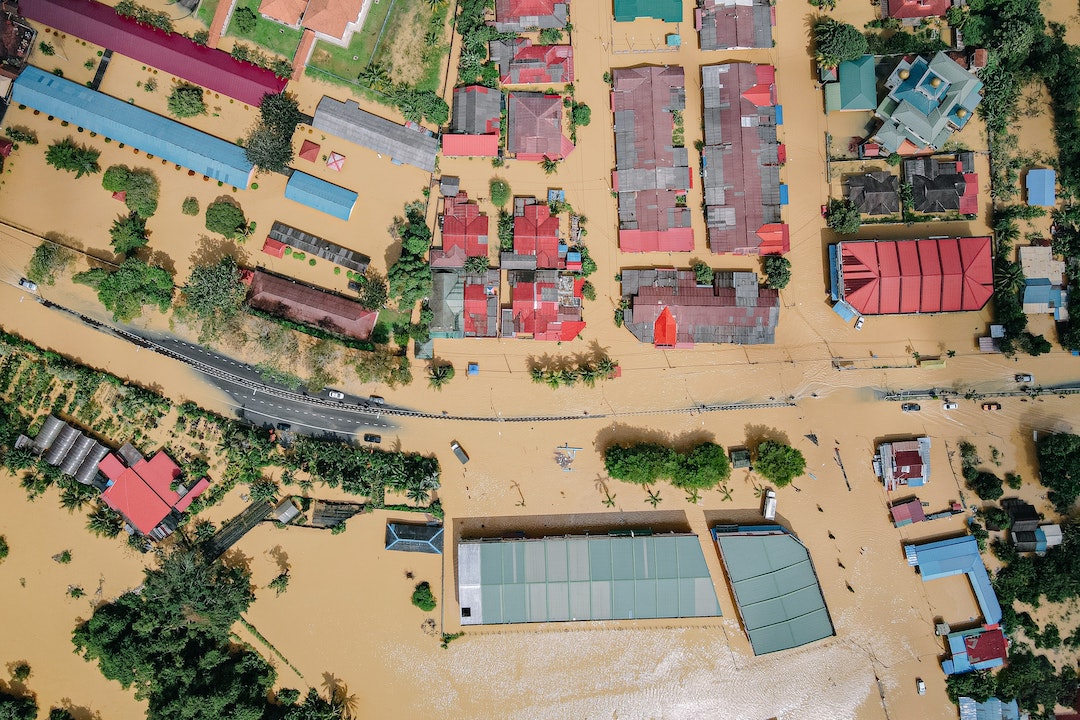
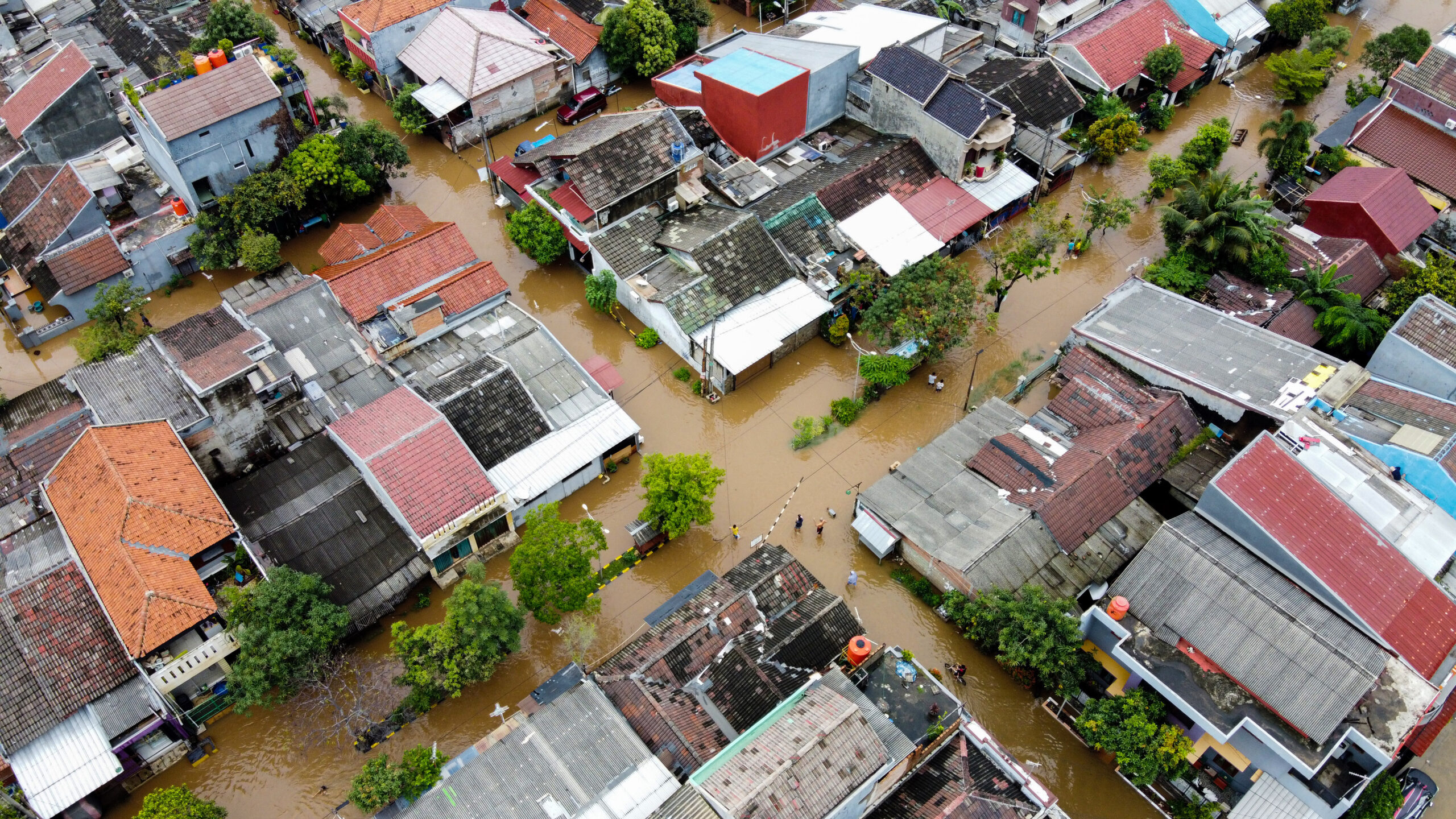
- Physical risk: How exposed are our assets, operations, and supply chains to floods, wildfires, hurricanes, extreme heat, and sea-level rise? An analyst might model which of a bank’s mortgaged properties sit in future flood zones, or how heat stress could cut output at a manufacturer’s plants.
- Transition risk: How will the shift to a low-carbon economy affect us? This covers carbon pricing, changing regulations, shifting consumer demand, and “stranded assets” — like fossil fuel reserves that may never be profitably extracted.
Day-to-day work typically includes running scenario analyses (for example, what a portfolio looks like under 1.5°C versus 3°C of warming), building or refining risk models, writing reports for senior management and regulators, and tracking fast-moving disclosure rules. It is analytical work with real-world stakes.
Why this career exists now
Three forces created this job category almost simultaneously:
- Regulation. Jurisdictions around the world now require large companies and financial institutions to disclose climate-related risks — frameworks like the TCFD recommendations and newer mandatory regimes mean firms must produce this analysis by law, not by choice.
- Investor pressure. Pension funds and asset managers overseeing trillions want to know their portfolios can survive the energy transition. They are asking sharper questions and hiring people who can answer them.
- Losses are already happening. Insurers repricing coverage in wildfire and hurricane zones, banks writing down exposed assets — climate risk stopped being theoretical, which concentrates executive attention wonderfully.
The result is demand for people who can bridge two worlds that rarely talked before: climate science and financial risk management.
Who hires climate risk analysts
The employer landscape is broader than most newcomers expect:
- Banks and insurers — the largest employers, embedding climate scenarios into credit risk, underwriting, and capital planning.
- Asset managers and pension funds — assessing portfolio exposure and engaging with companies on transition plans.
- Consultancies — advising clients on disclosure compliance and strategy; a major entry point for junior analysts.
- Corporates — especially in energy, real estate, agriculture, and manufacturing, where physical assets face direct exposure.
- Regulators and central banks — designing the stress tests everyone else must pass.
- Climate data and analytics startups — building the models and datasets the whole industry runs on.
Skills and backgrounds that get hired
There is no standard degree for this role yet, which means employers hire from several feeder backgrounds:
Quantitative and modeling skills
Scenario analysis, statistics, and comfort with large datasets are the common denominator. Python or R for data work, plus solid spreadsheet modeling, cover most of what the job requires technically. You do not need to be a climate modeler — you need to use climate data intelligently.
Finance or risk literacy
Understanding how banks think about credit risk, how insurers price policies, or how investors value companies lets you translate climate findings into decisions. Candidates from risk management, actuarial work, or sustainable finance have a natural advantage.
Climate and sustainability knowledge
You need working fluency in the science and policy landscape: emissions scenarios, the major disclosure frameworks, carbon markets, and sector-specific transition pathways. This is learnable — many successful analysts built it through certificates and self-study rather than a dedicated degree.
Communication
Perhaps the most underrated requirement. Your analysis only matters if executives and regulators understand it. Analysts who can write a crisp two-page brief from a fifty-page model output are disproportionately valuable.
How to break in
- From finance or risk: Add climate fluency through a sustainability or climate-risk certificate, then target climate risk teams inside banks and insurers where your risk background is immediately legible.
- From environmental science or policy: Add quantitative and finance skills — even a solid grasp of financial statements plus data analysis in Python can be enough to cross over.
- From consulting or analytics: Position your modeling and client-facing experience, and develop a climate specialization through project work.
- For recent graduates: Degrees in environmental economics, sustainable finance, or data science with a climate focus are increasingly common feeders. Internships at consultancies or climate analytics firms are the best on-ramp.
Useful credentials include climate-risk certificates from recognized bodies, CFA’s climate-related offerings for finance professionals, and disclosure-framework training. A portfolio piece — say, a short scenario analysis of a public company’s disclosed climate risks — can demonstrate capability better than any certificate.
Key takeaways
- Climate risk analysts translate physical and transition climate threats into financial terms businesses must act on.
- Regulation, investor pressure, and real losses are driving rapid demand across banks, insurers, consultancies, and corporates.
- The winning profile bridges quantitative modeling, finance/risk literacy, and climate knowledge — plus clear communication.
- There is no single required degree; most analysts enter from finance, science, or consulting and add the missing piece.
- A short public scenario analysis makes a stronger portfolio piece than certificates alone.
Conclusion
Climate risk analysis is rare among new careers: it is not a rebranded old job but a genuinely new function created by regulation, markets, and physics all at once. That newness is an opportunity — the field has not yet calcified around credentials, so motivated people from adjacent backgrounds can enter now and grow with it. If you can combine analytical rigor with climate literacy and the ability to explain what it all means, you will be useful to some of the largest institutions in the world. Start with one disclosure framework, one dataset, and one analysis; the career builds from there.
Keep Reading
Explore more guides on Jobars 2: