For decades, the world’s most advanced computer chips were made almost entirely in a handful of places in East Asia. That is changing fast. Governments and companies across the United States, Europe, and allied nations are pouring hundreds of billions of dollars into building chip factories — “fabs” — closer to home. This reshoring wave is creating one of the most exciting hiring booms in modern manufacturing, and it needs far more than just PhD engineers.
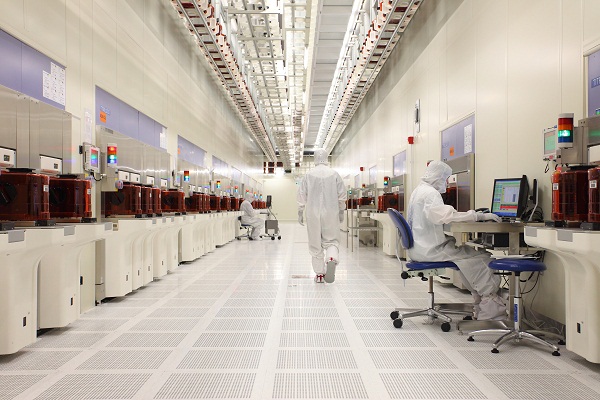
Whether you are an engineer, a technician, or someone looking for a high-growth industry to join, here is what the semiconductor reshoring boom means for your career.
What “Reshoring” Means — and Why It Is Happening
Reshoring means bringing manufacturing capacity back to domestic soil. In semiconductors, the drivers are hard to argue with:
- Supply chain shocks. The pandemic-era chip shortage idled car factories and sent electronics prices soaring — a wake-up call about over-concentration.
- Geopolitical risk. With the most advanced chips made in a geopolitically sensitive region, Western governments now treat domestic chip capacity as a national security priority.
- Massive subsidies. Laws like the US CHIPS and Science Act unlocked tens of billions in incentives, triggering private investments many times larger. The EU, Japan, South Korea, and India have launched their own programs.
- AI demand. The artificial intelligence boom has supercharged demand for advanced chips, making new fabs economically attractive.
The result: new fabs under construction or announced in Arizona, Ohio, Texas, Germany, Japan, and beyond — each one a small city of high-tech employment.
The Jobs: Far More Than Chip Designers
When people hear “semiconductor jobs,” they picture chip architects with doctorates. Those roles exist and pay extremely well, but a modern fab employs thousands of people across a huge range of functions:
- Process engineers — own specific manufacturing steps like lithography or etching; the core technical role in a fab.
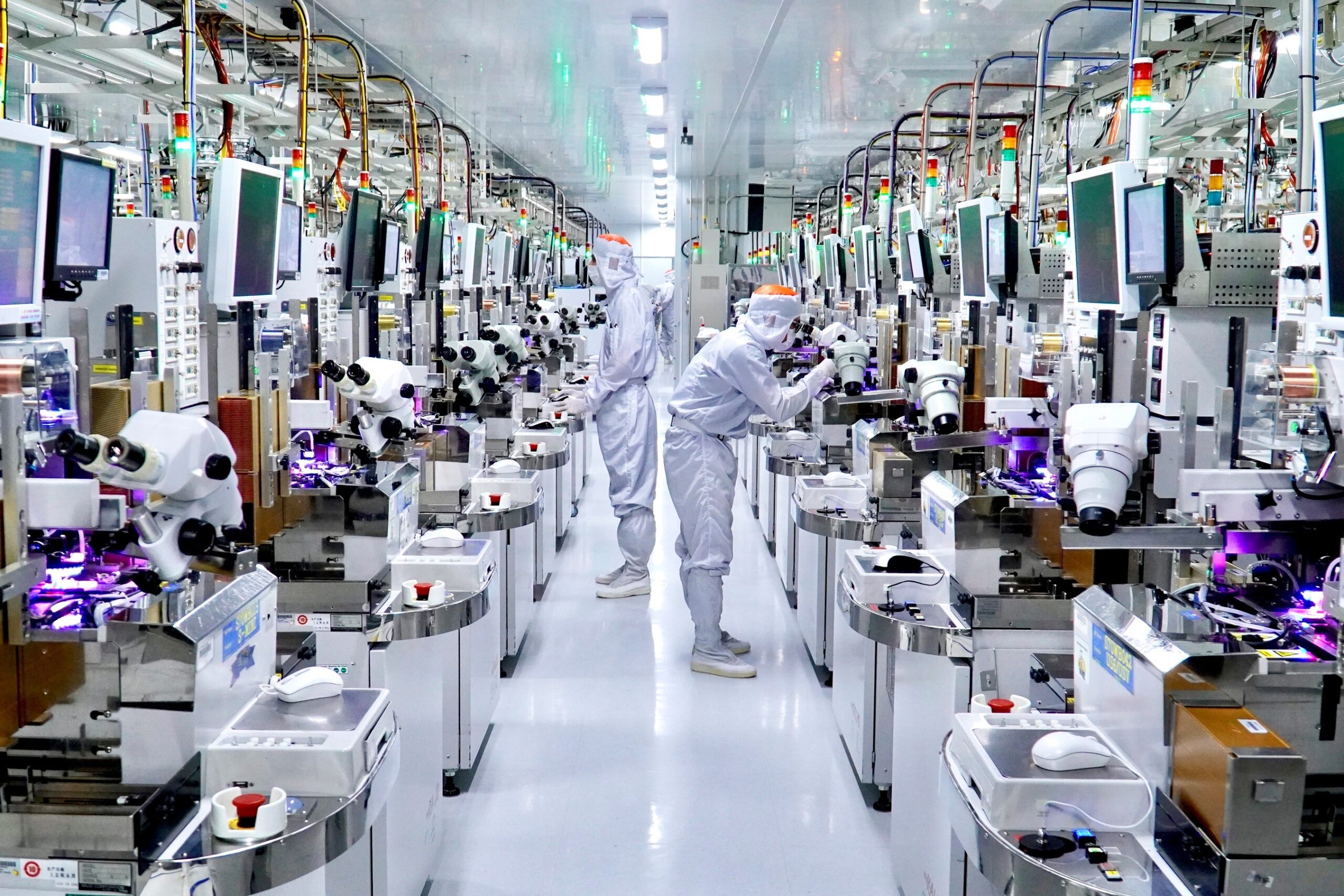
- Equipment engineers and technicians — install, maintain, and troubleshoot the fantastically complex tools that cost tens of millions each.
- Facilities engineers — fabs need ultra-pure water, stable power, and vibration-free environments; facilities teams keep the whole operation alive.
- Yield engineers — use statistics and data analysis to squeeze more working chips out of every silicon wafer.
- Operators and manufacturing technicians — run the tools in cleanroom “bunny suits”; often accessible with an associate degree or technical training.
- EHS specialists — environment, health, and safety is critical when you handle hazardous chemicals.
- Supply chain and logistics — fabs consume enormous quantities of specialty gases, chemicals, and parts.
- Construction and skilled trades — building a fab is a multi-year megaproject employing thousands of electricians, pipefitters, and welders.
This breadth is good news: there are genuine entry points for community college graduates, veterans with technical training, and career changers — not just engineering PhDs.
Skills and Education That Get You Hired
Requirements vary widely by role, but some patterns stand out:
- Engineering roles typically want degrees in electrical engineering, materials science, chemical engineering, mechanical engineering, or physics. A master’s helps for R&D; a bachelor’s is often enough for manufacturing engineering.
- Technician roles usually require an associate degree in electronics, mechatronics, or a related field — many employers partner directly with local community colleges and will train you on their specific tools.
- Across all roles, employers prize statistical thinking, meticulous documentation habits, comfort with shift work (fabs run 24/7), and the ability to follow exact procedures — in a cleanroom, a shortcut can scrap a batch worth a fortune.
- Semiconductor-specific certifications are still emerging, but vendor certifications from equipment makers and Six Sigma training carry weight.
Pay and Career Trajectory
Semiconductor manufacturing pays well above typical manufacturing wages. Entry-level technicians at major fabs often earn solid middle-class salaries with overtime and shift differentials, while engineers command strong professional salaries that rise quickly with experience. Process engineers with a few years under their belt are heavily recruited, and specialists in hot areas — advanced packaging, EUV lithography, power semiconductors — can name their price.
Career progression is unusually structured: technician to senior technician to equipment engineer is a well-trodden path, often supported by employer tuition assistance. Engineers can climb toward principal engineer, management, or pivot into the equipment vendors and materials suppliers that form the industry’s ecosystem.
Where the Jobs Are Concentrating
While remote work has reshaped many industries, fab jobs are inherently on-site — chips are physical things. The emerging hubs include:
- Arizona — the most concentrated new investment, with multiple leading-edge fabs.
- Ohio, Texas, and New York — major projects spanning logic, memory, and mature-node chips.
- Germany and Japan — Europe and Asia’s answers to the same strategic logic.
- Existing clusters — Oregon, New Mexico, and Taiwan/South Korea remain huge employers for experienced talent.
Willingness to relocate — or already living near a fab cluster — is a genuine advantage in this industry.
Challenges to Know About
An honest guide mentions the downsides. Fab work can mean night shifts and rotating schedules, strict gowning procedures, and long periods on your feet in a cleanroom. The industry is also cyclical: chip demand swings with the economy, and hiring can freeze during downturns. Finally, the most advanced roles cluster in a few geographic areas, which limits location flexibility.
Key Takeaways
- Government incentives and AI demand are driving a historic buildout of chip fabs in the US, Europe, and allied Asia.
- Each fab creates thousands of jobs across engineering, technician, facilities, EHS, and supply chain roles — not just chip designers.
- Technician paths are accessible with associate degrees and employer training; engineering roles typically need relevant bachelor’s or master’s degrees.
- Pay is strong, career ladders are clear, but expect shift work, on-site presence, and industry cycles.
Conclusion
The chip reshoring boom is that rare thing: a government-backed, privately-funded, multi-decade industrial buildout happening in real time. For job seekers, it offers something increasingly scarce — well-paid, technically interesting work that cannot be offshored or automated away, with training pipelines designed for newcomers. If you have ever wanted to build the physical foundation of the digital age, there may never be a better moment to start than now.
Keep Reading
Explore more guides on Jobars 2: