While office workers debate return-to-office policies, a quieter revolution is happening in the trades. Electricians and plumbers are in high demand across the United States and many other countries — driven by an aging workforce, a construction boom, and the electrification of everything from cars to home heating. For people who like working with their hands and solving tangible problems, the skilled trades offer something increasingly rare: strong pay, real job security, and no student debt.
Why Demand Is Surging
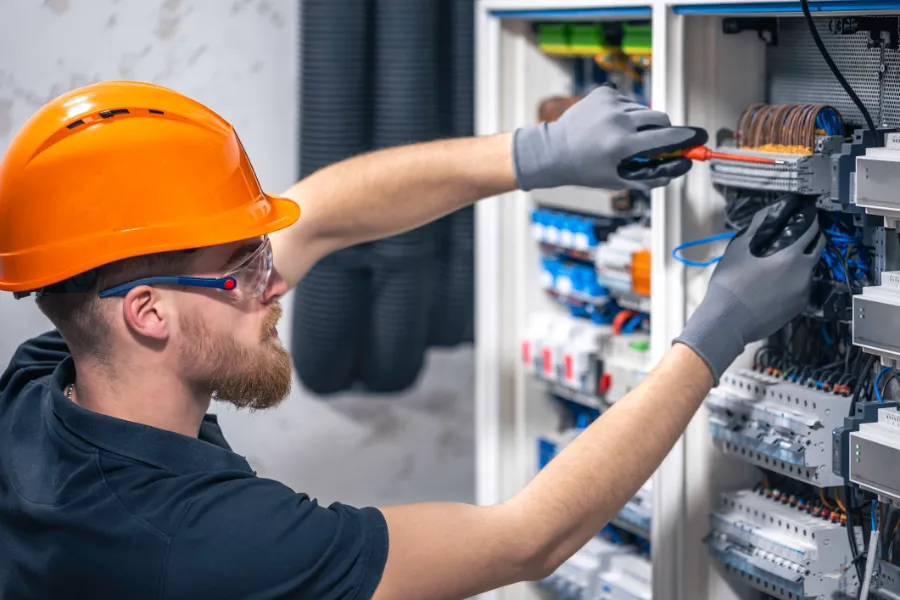
Several forces are converging at once. A large share of experienced electricians and plumbers are reaching retirement age, and fewer young workers entered the trades over the past two decades — creating a genuine supply gap. At the same time, demand is growing: new housing construction, commercial renovation, data centers, EV charging infrastructure, heat pump installations, and grid upgrades all require licensed electrical and plumbing work.
Unlike many white-collar roles, this work cannot be offshored or automated away. A pipe still needs a human to fit it, and a panel still needs a licensed electrician to wire it safely. That physical reality is the foundation of the trades’ remarkable job security.
What Electricians Actually Do (and Earn)
Electricians install, maintain, and repair electrical systems in homes, businesses, and industrial facilities. The work ranges from wiring new construction to troubleshooting faults, installing lighting and EV chargers, and increasingly, working with solar, battery storage, and smart-home systems.
Pay typically starts modestly during apprenticeship and rises substantially once licensed. Experienced journeyman electricians often earn solid middle-class incomes, with master electricians, specialists (industrial, low-voltage, solar), and those who run their own businesses earning considerably more. Overtime and emergency call-outs can add significantly to base pay.
What Plumbers Actually Do (and Earn)
Plumbers install and repair water, drainage, and gas systems — in new construction, renovations, and service calls. It is varied work: one day you are roughing-in a new bathroom, the next you are diagnosing a mysterious leak or installing a water heater.
The earnings pattern mirrors electrical work: apprentices earn while they learn, licensed journeymen earn strong wages, and master plumbers or business owners can earn very well indeed. Emergency and specialized work (gas fitting, commercial systems) tends to command premium rates.
How to Get In: The Apprenticeship Path
The standard route into both trades is an apprenticeship — typically three to five years combining paid on-the-job training with classroom instruction. Here is how it usually works:
- Meet basic requirements: usually a high school diploma or equivalent, basic math skills, and physical fitness for the work.
- Find an apprenticeship: through a union program (such as the IBEW/NECA for electrical), a non-union trade association, a community college program, or directly with a local contractor.
- Learn while earning: apprentices work full-time under licensed professionals and attend classes — often in the evenings — covering code, theory, and safety.
- Get licensed: after completing the required hours, pass the journeyman licensing exam in your state or region. Requirements vary, so check your local licensing board early.
Pre-apprenticeship programs at community colleges can strengthen your application, especially if you need to build up math or technical basics first.
Where the Growth Is: Specializations Worth Considering
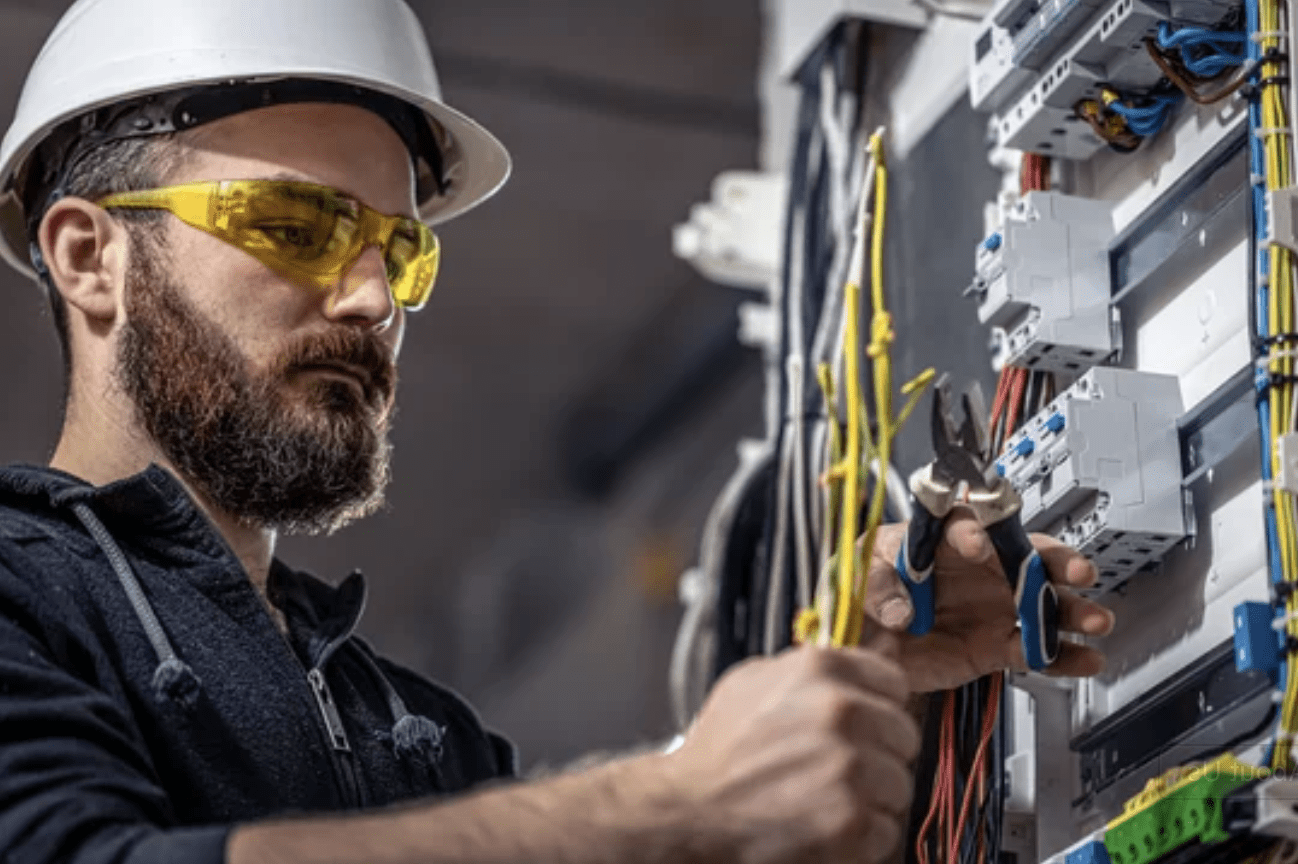
- EV charging and solar installation — the electrification wave is creating entirely new categories of electrical work.
- Smart home and low-voltage systems — networking, security, and automation wiring for homes and businesses.
- Industrial and commercial work — larger systems, higher complexity, typically higher pay than residential.
- Service and diagnostics — troubleshooting specialists who can find problems fast are always in demand and often earn premium rates.
Is It Right for You?
The trades suit people who enjoy physical, hands-on work, take pride in visible results, and prefer solving concrete problems over sitting in meetings. Be honest about the downsides too: the work can be physically demanding, schedules sometimes include emergency calls, and apprenticeship wages require patience before the payoff.
But for the right person, the math is compelling: earn while you train, graduate with no student debt, enter a field with structural demand, and build toward either high wages or your own business. In an economy where many degrees no longer guarantee outcomes, that is a proposition worth taking seriously.
A Realistic First Year: What to Expect
Your first year as an apprentice is about humility and fundamentals. Expect to start with material handling, site cleanup, and assisting journeymen — carrying tools, pulling wire, holding pipes — while you absorb how a real job site works. The pay reflects trainee status, so budget accordingly. What separates successful apprentices is attitude: show up early, ask questions, take notes, and treat every experienced tradesperson as a teacher. By year two or three, you will be doing real installations under supervision, your classroom knowledge will start clicking with field experience, and your pay will rise with each completed phase. Those who stick with it consistently say the same thing: the apprenticeship years felt long at the time, but they built the competence and confidence that everything afterward rested on.
Key Takeaways
- Retiring workers plus growing demand (construction, EVs, electrification) have created a lasting shortage of electricians and plumbers.
- Trade work cannot be offshored or easily automated — the job security is structural, not cyclical.
- The apprenticeship path lets you earn while you learn, typically over 3–5 years, ending in licensure.
- Specializations like EV charging, solar, and industrial systems offer the strongest growth and pay.
- With no student debt and a clear path to business ownership, the trades are one of the most underrated career moves available.
If you want work that is essential, well-paid, and immune to AI disruption, look closely at the trades. The boom is real, the path is clear, and the need is not going away.
Keep Reading
Explore more guides on Jobars 2: